Early childhood learning activities help children develop essential skills while encouraging curiosity, creativity, and confidence. During the first five years of life, children learn rapidly through hands-on experiences, play, and interactions with others. Activities such as reading, art, music, sensory exploration, and problem-solving games support development in areas including language, motor skills, social abilities, and early thinking skills. A strong early learning environment provides children with age-appropriate activities that make learning enjoyable while helping them build the foundation they need for future success.
Creative Arts and Expression Activities
Creative activities are an important part of early childhood learning because they allow children to explore ideas and express themselves.
Art activities such as painting, drawing, coloring, and crafting help children strengthen fine motor skills while encouraging creativity. These activities also teach children how to make choices, experiment, and solve problems.
Creative expression builds confidence because children can take pride in creating something unique. Whether a child is mixing colors, designing a project, or exploring different materials, they are developing important skills through the process.
Language and Literacy Activities
Language development begins through everyday conversations, stories, and interactions. Early childhood learning activities that focus on communication help children build strong language skills.
Reading books aloud introduces children to new words and ideas while helping them develop listening and comprehension skills. Asking questions during story time encourages children to think critically and share their thoughts.
Other activities such as singing songs, learning rhymes, and participating in group conversations help children practice speaking and expressing themselves.
Sensory and Exploration Activities
Sensory activities allow children to learn through touch, sight, sound, and movement. These experiences encourage curiosity and help children understand the world around them.
Activities such as playing with different textures, exploring materials, and experimenting with simple science concepts allow children to investigate and make discoveries.
Sensory play also supports problem-solving skills because children learn through trial and observation. These experiences encourage children to ask questions, test ideas, and develop critical thinking abilities.
Problem-Solving and Cognitive Activities
Early learning activities should encourage children to think, explore, and solve problems.
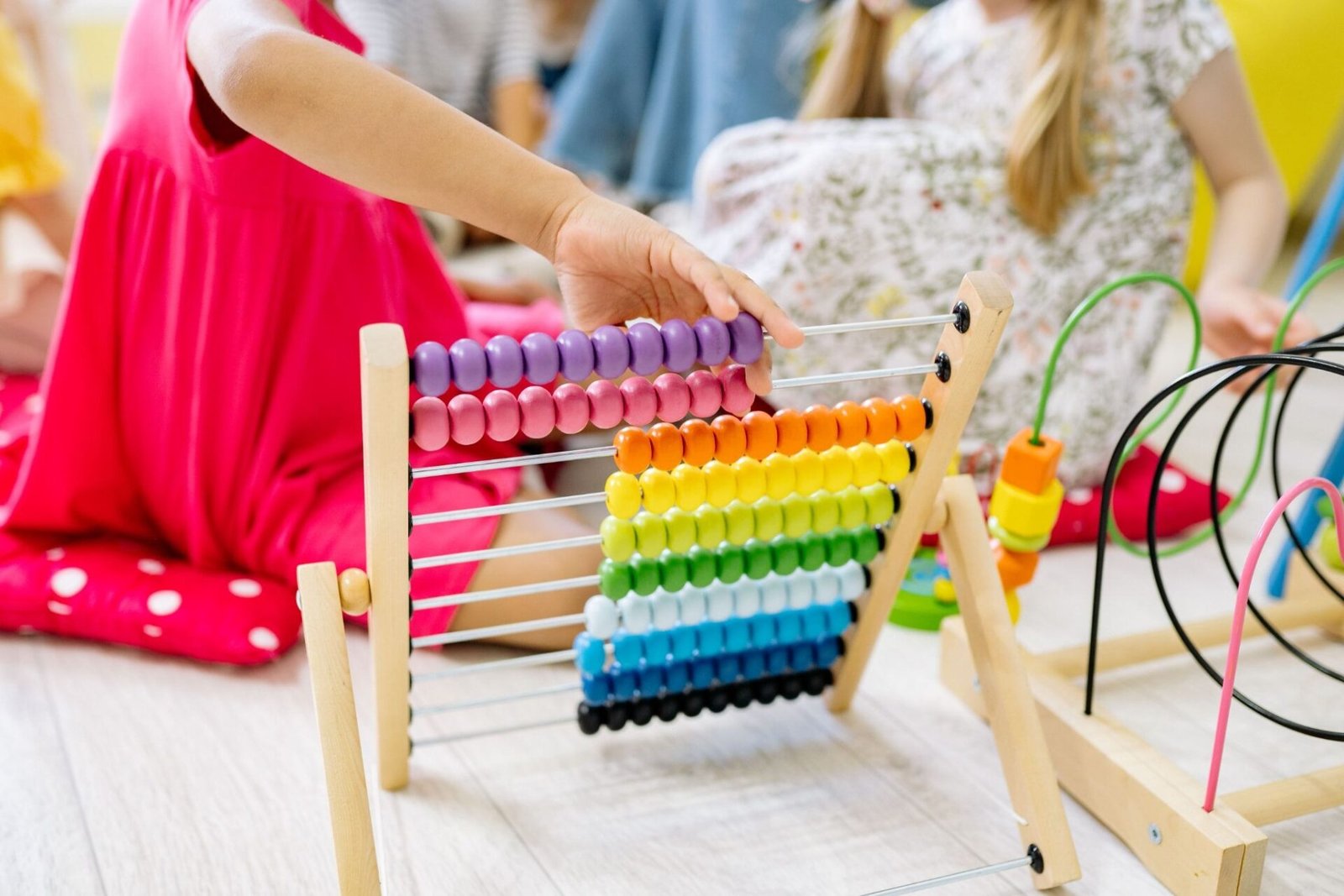
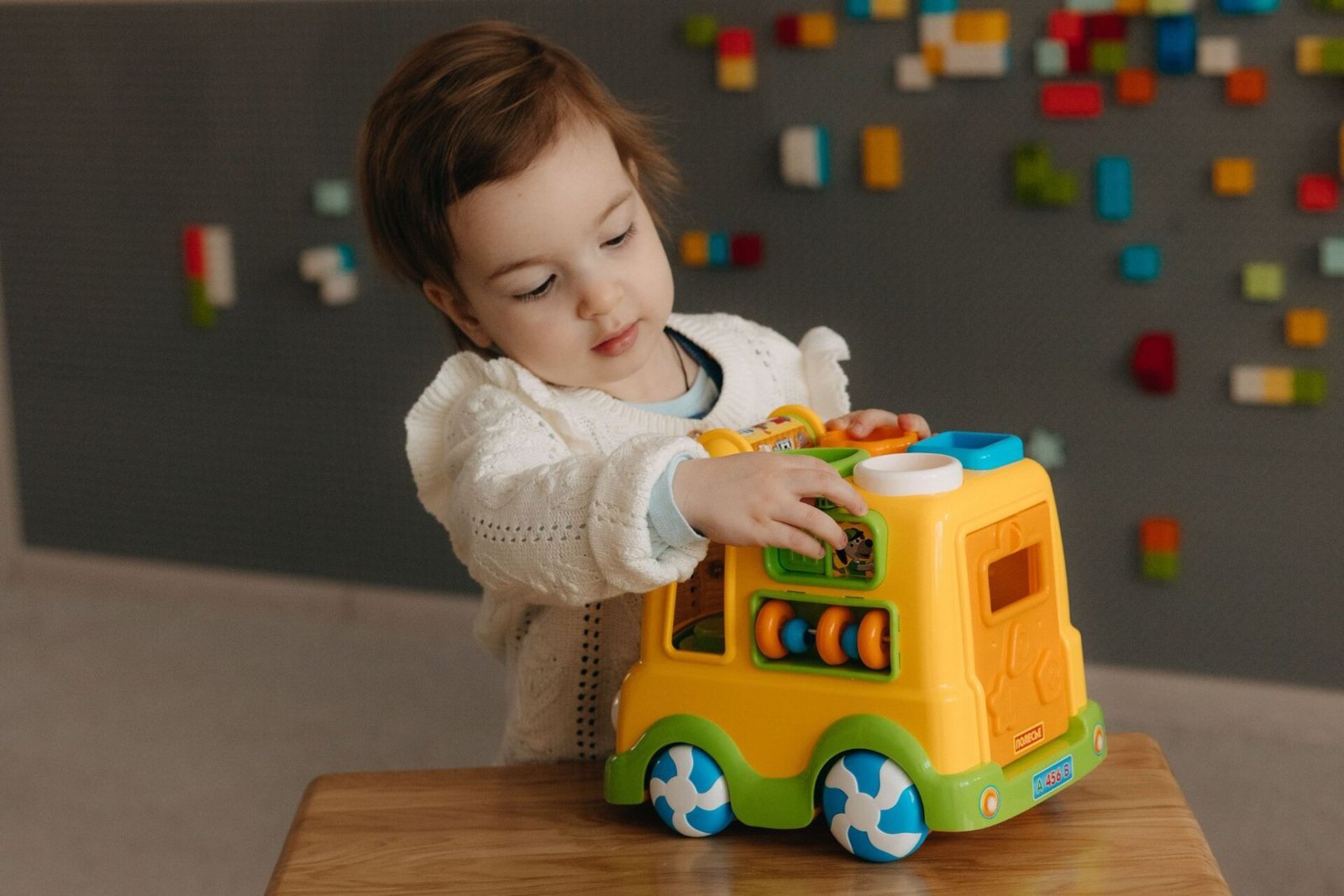
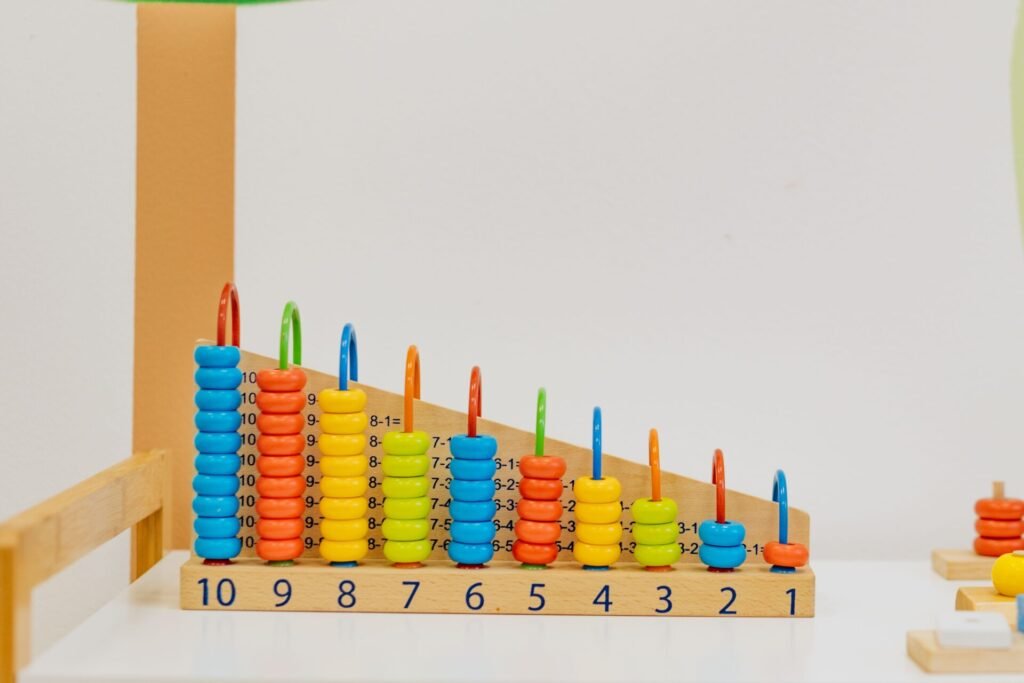
Puzzles, building activities, matching games, and sorting exercises help children develop memory, focus, and reasoning skills. These activities introduce early concepts such as patterns, numbers, shapes, and organization.
Children develop confidence when they are encouraged to try new challenges and discover solutions independently.
Social Learning Activities
Many early childhood activities involve working with other children, which helps develop important social skills.
Group games, cooperative projects, and classroom discussions teach children how to listen, communicate, and work together.
These experiences help children understand emotions, practice patience, and develop positive relationships with others.
Physical Development Activities
Movement-based activities support children’s physical development and overall health.
Running, climbing, dancing, and outdoor games help children develop balance, coordination, and strength. Activities involving drawing, building, and hands-on materials strengthen smaller muscle movements needed for future tasks like writing.
Conclusion
Early childhood learning activities provide children with meaningful opportunities to grow in every area of development. Through creative experiences, language activities, exploration, movement, and social interaction, children build important skills while developing a love for learning. A strong early learning environment helps children gain confidence and prepares them for future educational experiences.