Children are supervised at daycare through careful planning, trained caregivers, consistent routines, and safety procedures designed to protect their well-being. Quality daycare centers prioritize active supervision, meaning teachers continuously monitor children while they play, learn, and interact with others. Effective supervision involves more than simply watching children. Caregivers build relationships, understand each child’s needs, and create environments where children can explore safely. From classroom activities to outdoor play, daycare teachers use age-appropriate practices to ensure children receive proper attention and support throughout the day while encouraging independence and development.
Active Supervision in the Classroom
Active supervision is one of the most important parts of childcare safety. Instead of standing back and observing, teachers stay engaged with children and participate in their daily activities.
Caregivers position themselves where they can see and hear children clearly. They move around the classroom, interact with children during play, and pay attention to what each child is doing.
This approach helps teachers quickly respond to children’s needs, prevent potential safety concerns, and support positive behavior. By staying involved, caregivers create an environment where children feel secure while still having opportunities to explore.
Maintaining Safe Learning Environments
A well-organized classroom plays an important role in keeping children safe. Daycare centers create learning spaces that are designed around children’s ages and developmental stages.
Toys, furniture, and learning materials should be appropriate for the children using them. Classrooms should provide enough space for movement while allowing teachers to easily monitor activities.
Safety procedures may include regular cleaning, secure entrances, organized materials, and routines that help children understand expectations. These practices allow children to learn and play in a comfortable environment.
Supervision During Play Activities
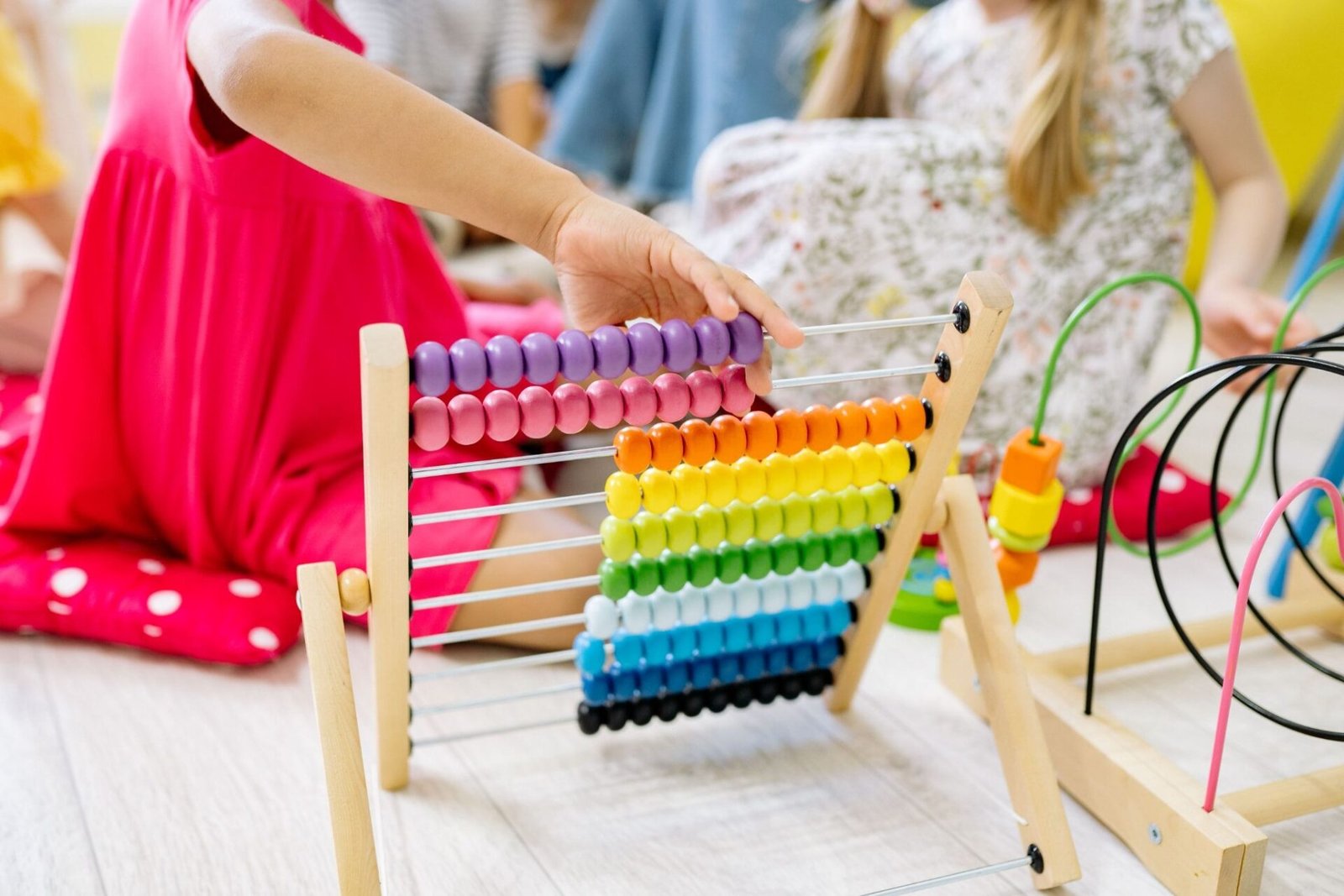
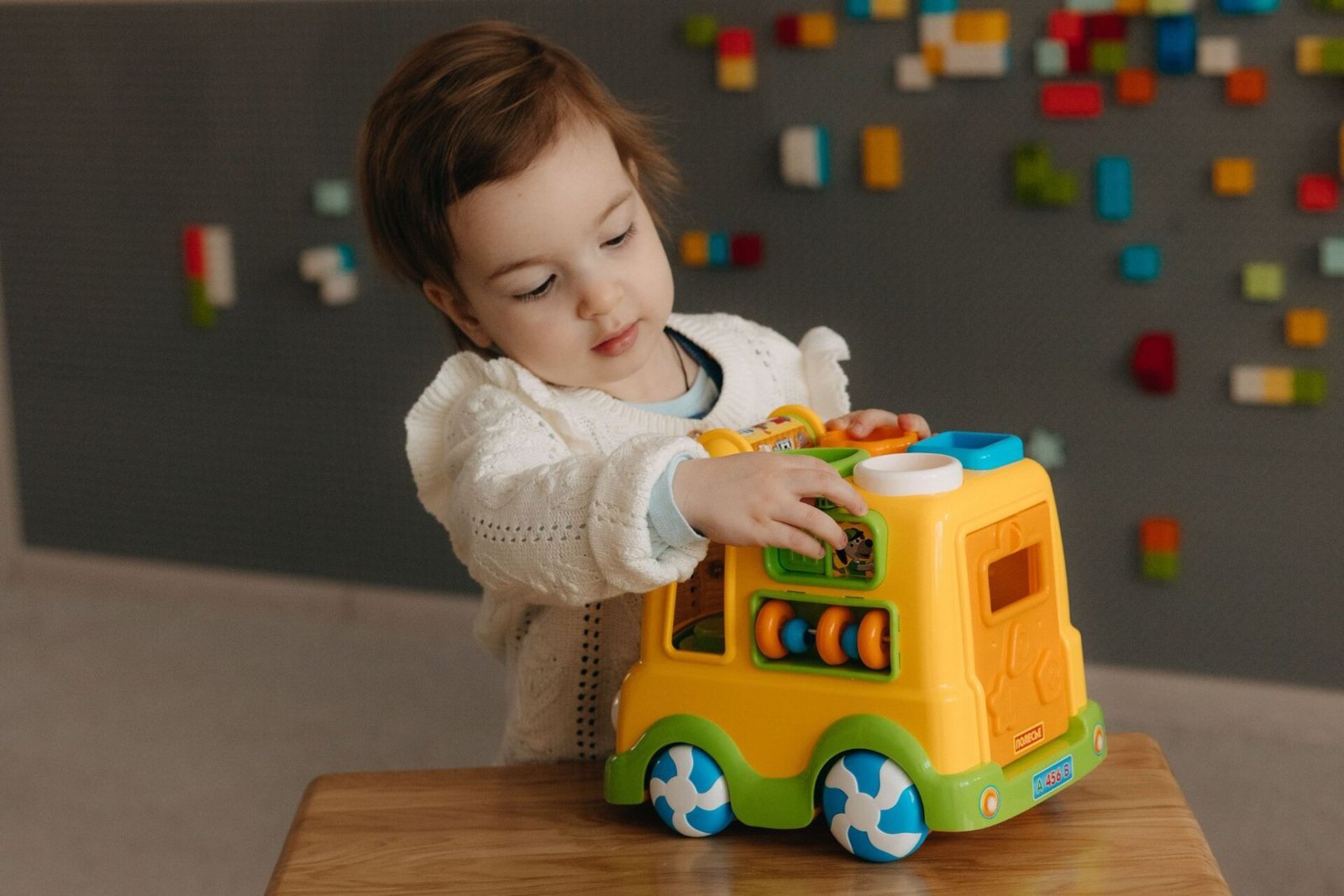
Play is an important part of early childhood development, but it also requires careful supervision. Teachers monitor children during activities while allowing them to explore and practice independence.
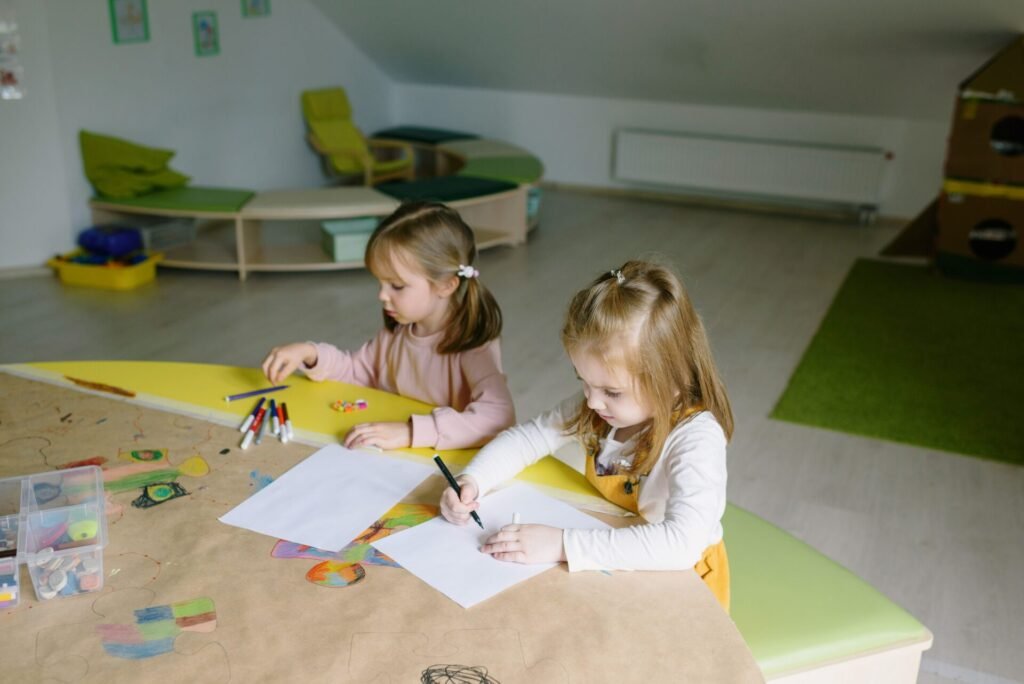
During group activities, caregivers help children learn how to share materials, communicate, and solve problems. During individual play, teachers observe children’s interests and provide support when needed.
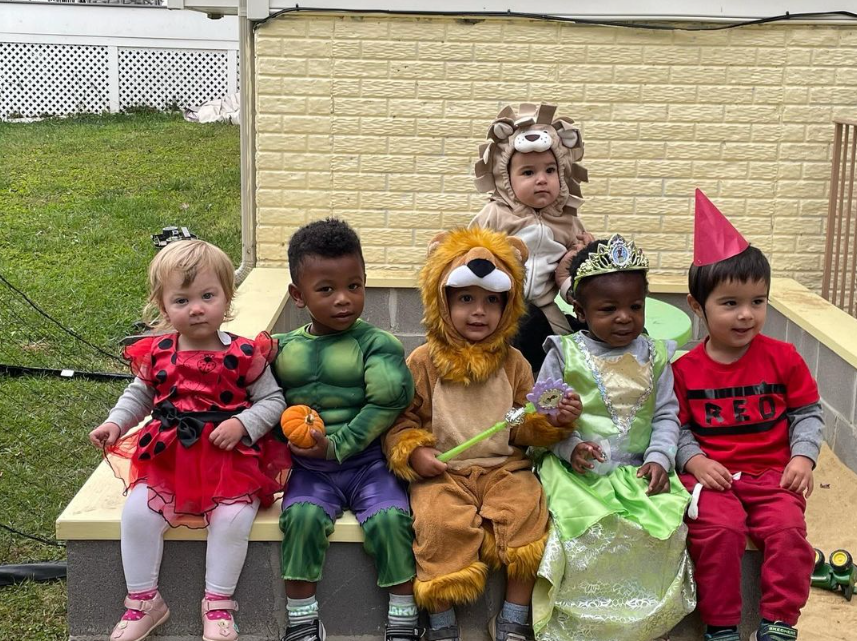
Outdoor play also requires active supervision. Teachers monitor children while they run, climb, and participate in physical activities. They help children follow safety rules while encouraging movement and exploration.
Supporting Social and Emotional Development
Supervision at daycare is not only about physical safety. Teachers also support children’s emotional and social development throughout the day.
Children are still learning how to express feelings, communicate needs, and interact with others. Caregivers help children navigate conflicts, practice kindness, and develop positive relationships.
By observing children closely, teachers can recognize when a child may need additional support or encouragement. This helps create a caring environment where children feel understood.
Communication Between Teachers and Families
Strong communication between daycare providers and families is an important part of effective supervision.
Teachers can share information about a child’s daily activities, behavior, progress, and needs. Parents can provide important details about their child’s routines, preferences, and development.
When caregivers and families work together, children receive more consistent support both at daycare and at home.
Conclusion
Children are supervised at daycare through active caregiver involvement, safe environments, and consistent safety practices. Effective supervision allows children to explore, learn, and build independence while ensuring they receive the care and attention they need. A quality daycare creates a balance between safety and meaningful learning experiences.