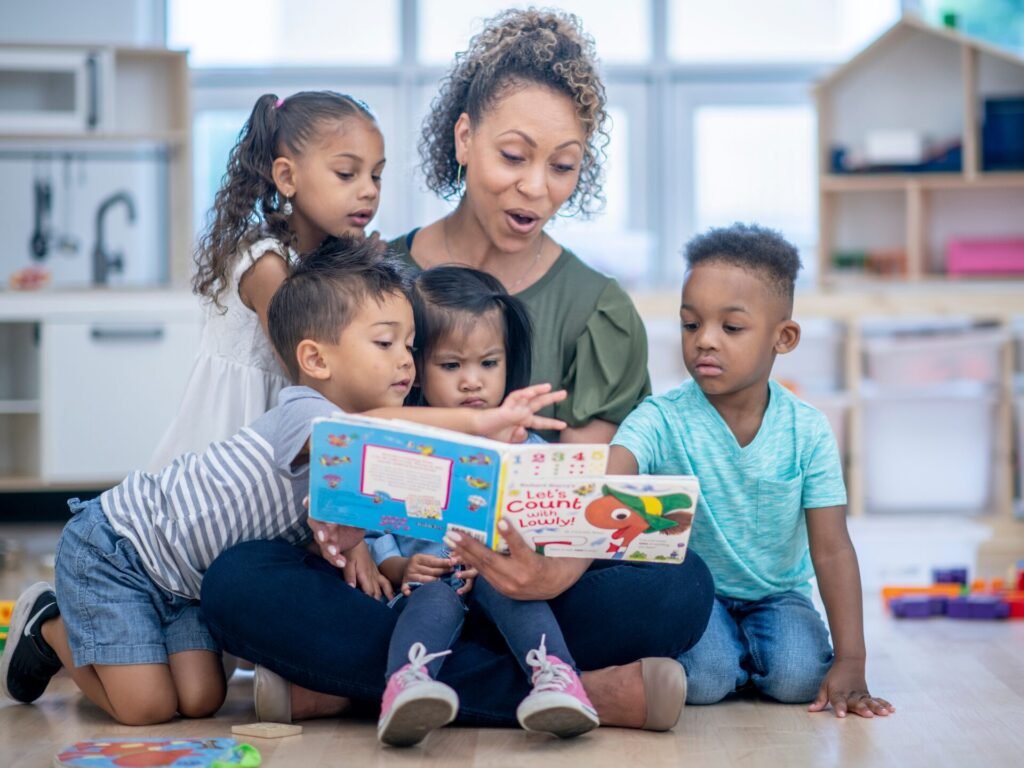
To prepare your child for preschool, start a few weeks ahead: talk about preschool in a positive way, read books about starting school, practice the daily routine, build independence skills like washing hands and putting on shoes, give them chances to play with other children, and visit the school together if you can. On the first day, keep goodbyes short, loving and consistent.
Starting preschool is a big step for children and parents alike. These practical tips will help your child walk in feeling confident.
Getting ready emotionally
1. Talk about preschool positively
Describe what your child will do there: play with friends, paint, listen to stories, sing songs. Keep it simple and upbeat, and answer questions honestly.
2. Read books about starting school
Picture books about the first day of school help children imagine what will happen and give you an easy way to talk about feelings.
3. Visit ahead of time
If possible, tour the preschool together, meet the teachers and play in the space. Familiarity takes away much of the fear.
4. Acknowledge feelings
It is normal for children to feel excited and nervous at the same time. Let them know their feelings are okay and that you will always come back.
Building routines
5. Practice the daily schedule
A week or two before preschool starts, shift wake-up, meal and nap times to match the preschool day. Predictable routines help children feel secure.
6. Get enough sleep
Preschoolers need plenty of rest. A consistent bedtime makes mornings and drop-offs much easier.
7. Practice short separations
If your child is not used to being apart from you, try short stays with a grandparent, friend or babysitter so they learn that you always return.
Building independence
8. Practice self-help skills
Help your child practice washing hands, using the bathroom, putting on shoes and a jacket, opening a lunch box and cleaning up toys. Each small skill builds confidence. Our guide to fostering independence in young children has more ideas.
9. Encourage communication
Practice asking for help, saying when they need the bathroom and using words to share feelings.
Social skills and early learning
10. Arrange playdates
Playing with other children gives practice in sharing, taking turns and solving small conflicts. Read about the importance of social skills for children.
11. Make learning playful
You do not need flashcards. Count stairs, name colors on a walk, sing the alphabet and read together every day. Play is how young children learn best: see the benefits of play-based learning.
The first day
12. Keep goodbyes short and consistent
Create a simple goodbye ritual, such as a hug, a high five and “I’ll see you after snack,” then leave confidently. Lingering usually makes it harder. Most children settle within minutes of a parent leaving, and teachers will let you know how the day went.
Frequently asked questions
What should my child know before preschool?
Academic skills are not required. It helps most if your child can communicate basic needs, follow simple directions, and is working on self-help skills like washing hands and using the bathroom.
How long does it take a child to adjust to preschool?
Most children adjust within a few weeks. Some take a little longer, and that is normal. A consistent routine and positive goodbyes help. See how to help a child adjust to daycare.
Does daycare help prepare children for preschool and kindergarten?
Yes. A quality daycare builds routines, social skills, independence and early literacy and math through play, all of which make the move to preschool and kindergarten smoother.
Preschool preparation at Busy Minds Daycare
At Busy Minds Daycare, a licensed home daycare in Laurel, MD, our preschoolers build the skills they need for pre-K and kindergarten through early math and reading activities, arts and crafts, music, yoga and play, in a small group where every child is known by name. Learn about our preschool program or schedule a free tour. Call (301) 646-5275 with questions.