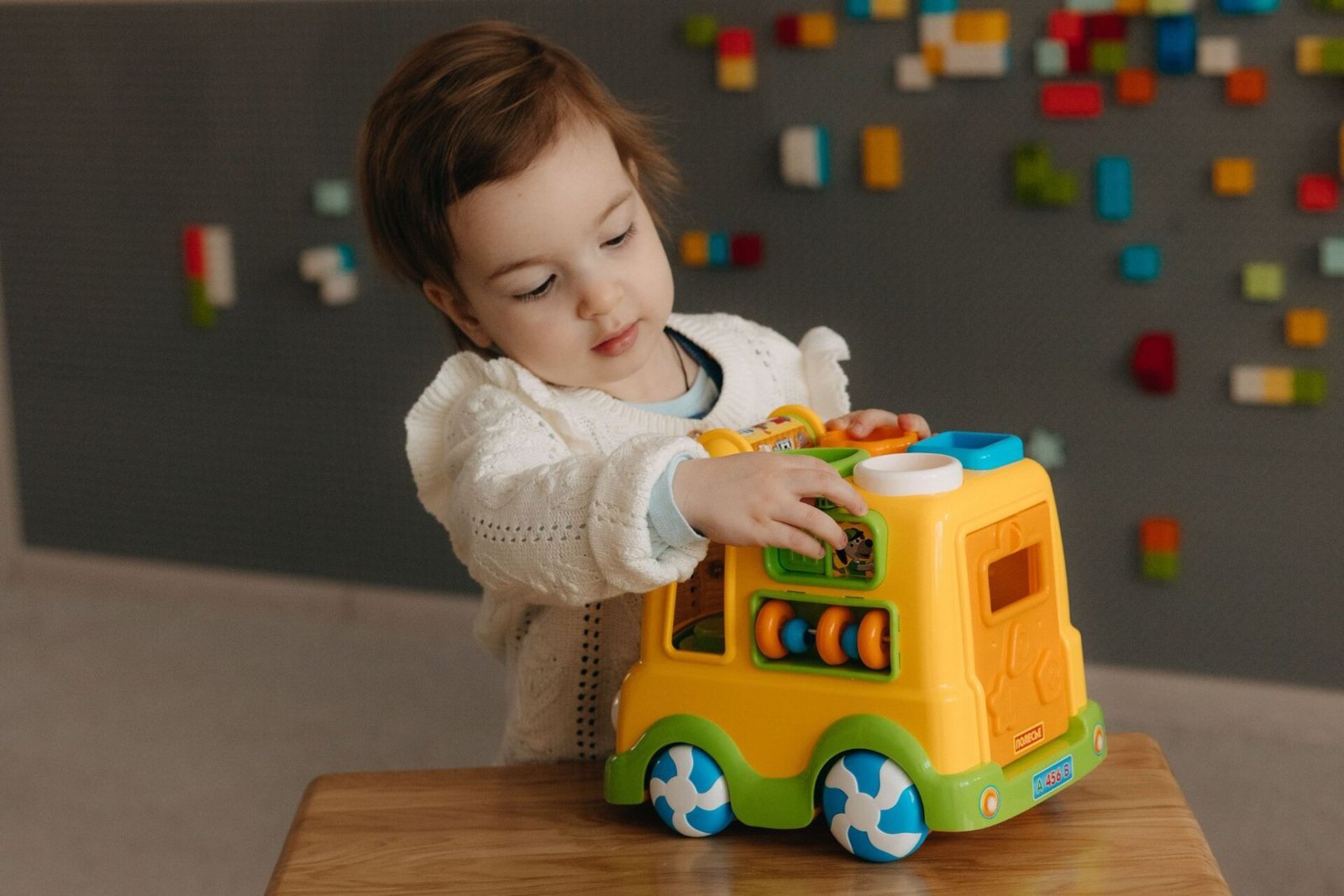
Children do much more than receive care at daycare. A quality daycare program provides children with opportunities to learn, play, socialize, and develop important skills throughout the day. Daily activities are designed to support children’s physical, emotional, social, and cognitive development while creating a safe and engaging environment. Depending on their age, children may participate in activities such as story time, creative projects, outdoor play, music, sensory experiences, and group learning. A structured daycare routine helps children feel secure while giving them opportunities to explore, build independence, and develop confidence.
Learning Through Play and Exploration
Play is one of the most important parts of a child’s day at daycare. Young children learn about the world around them through hands-on experiences, imagination, and exploration.
Children may participate in activities such as building with blocks, pretend play, puzzles, and interactive games. These experiences help children develop problem-solving skills, creativity, and communication abilities.
Play also allows children to practice important social skills. When children play together, they learn how to share, cooperate, take turns, and communicate their ideas. These early interactions help build the foundation for healthy relationships.
Many daycare programs use play-based learning because it allows children to learn naturally while participating in activities that are enjoyable and age appropriate.
Creative Activities and Early Learning
Daycare centers often include creative activities that encourage children to express themselves and develop new skills. Art projects, music, movement activities, and storytelling are common parts of a child’s routine.
Creative activities help children strengthen fine motor skills through actions such as drawing, painting, cutting, and building. They also encourage imagination and confidence by allowing children to make choices and explore their own ideas.
Story time is another important daycare activity. Reading books helps children develop language skills, expand their vocabulary, improve listening abilities, and develop a love for learning.
Building Social and Emotional Skills
Daycare provides children with daily opportunities to interact with others and develop social-emotional skills.
Children learn how to participate in group activities, express their feelings, and navigate new situations with support from caring teachers. These experiences help children develop patience, empathy, and emotional awareness.
Teachers guide children through challenges by helping them solve problems, communicate their needs, and understand their emotions. Over time, children become more confident in handling new experiences and interacting with others.
Daily Routines and Independence
Daycare routines help children understand expectations and develop independence. A typical day may include arrival, meals, learning activities, play time, rest periods, and cleanup routines.
Consistent schedules help children feel comfortable because they know what to expect. They also provide opportunities for children to practice responsibility.
Simple tasks such as cleaning up toys, washing hands, putting away belongings, and making choices during activities help children build confidence and independence.
Conclusion
Children participate in many meaningful activities at daycare that support their growth and development. Through play, learning activities, social interactions, and daily routines, children build important skills that prepare them for future success. A quality daycare environment provides children with opportunities to explore, create, communicate, and grow while feeling safe and supported.