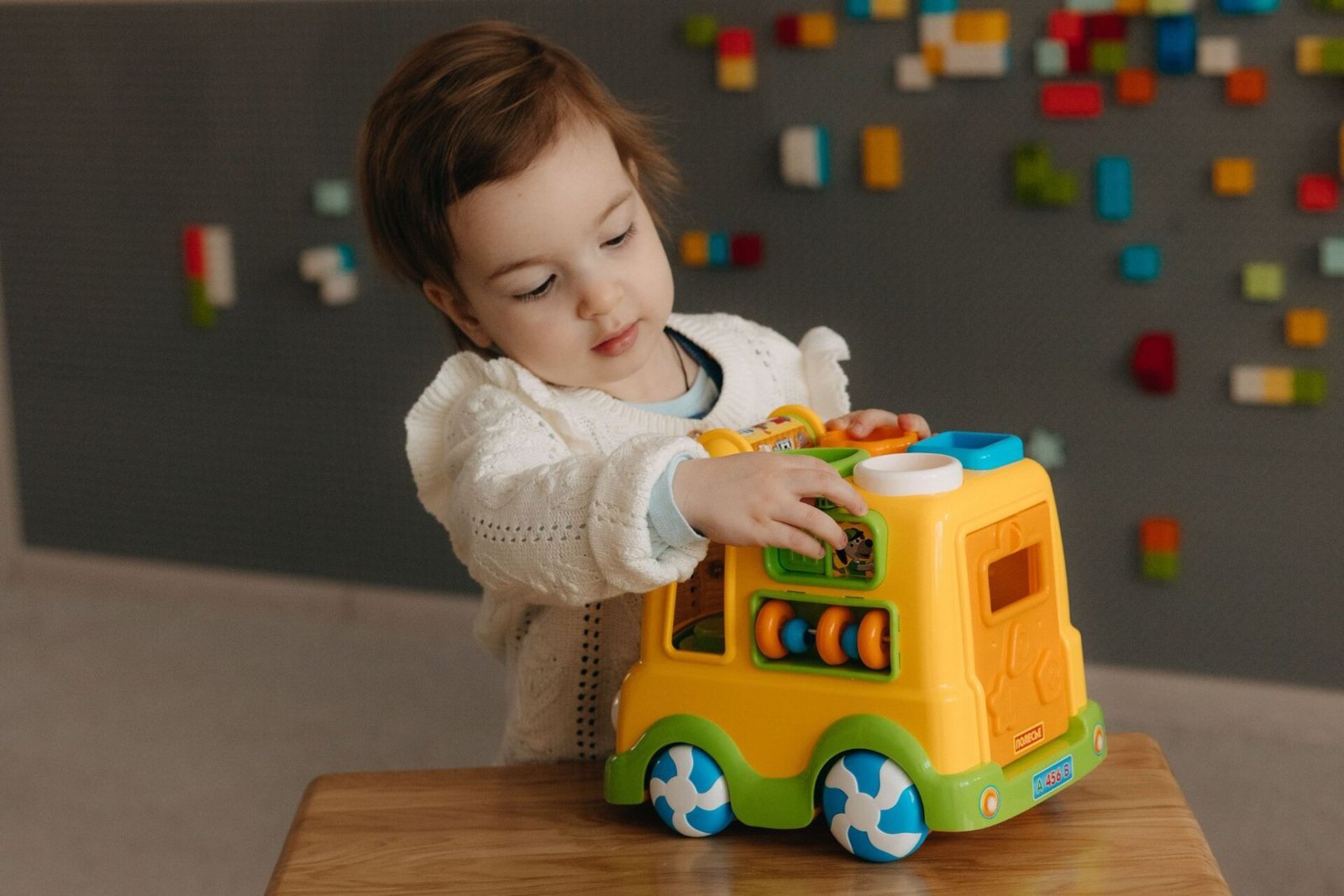
The best age for a child to start daycare depends on each family’s needs, the child’s development, and the quality of the childcare environment. Some children begin daycare as infants, while others start as toddlers or preschoolers. There is no single age that works for every child. A high-quality daycare program provides children with opportunities to develop social skills, communication abilities, independence, and confidence at every stage. Whether a child starts at a few months old or closer to preschool age, a nurturing environment with caring teachers and age-appropriate activities can support healthy development.
Starting Daycare During Infancy
Many children begin daycare during infancy because parents return to work or need reliable childcare support. Infant daycare programs focus on creating a safe and comforting environment where babies receive consistent care while developing important early skills.
During this stage, caregivers support infants through activities such as talking, singing, reading, and supervised exploration. These everyday interactions help babies develop language skills, emotional connections, and awareness of their surroundings.
Parents should look for a daycare that prioritizes safety, communication, and individualized care. Since infants have different feeding, sleeping, and comfort needs, experienced caregivers should work closely with families to maintain consistent routines.
Starting daycare as a baby can also provide opportunities for early social experiences. Even though infants do not interact with peers the same way older children do, they begin learning through observation, communication, and positive relationships with caregivers.
Starting Daycare During the Toddler Years
The toddler years are an exciting time of growth and independence. Many parents choose to start daycare when their child is between one and three years old because children begin developing stronger communication skills, curiosity, and interest in interacting with others.
Daycare provides toddlers with opportunities to practice important skills through play, structured activities, and daily routines. Children learn how to share, follow directions, express emotions, and participate in group activities.
A quality toddler program encourages learning through exploration. Activities such as art, music, sensory play, storytelling, and movement help children develop physically, socially, and emotionally.
Choosing the Right Time for Your Child
The right time to start daycare depends on factors such as your child’s personality, family schedule, and childcare goals. Some children adjust quickly to new environments, while others may need more time and support during transitions.
Parents should consider whether their child is showing signs of readiness, such as increased curiosity, interest in social interaction, or comfort being around other trusted adults.
The quality of the daycare environment is often more important than the exact age a child begins. A supportive program with experienced caregivers can help children feel secure while encouraging growth and learning.
Conclusion
Children can benefit from daycare at many different ages, from infancy through the preschool years. The best time to start depends on each child’s needs and family circumstances. A nurturing daycare environment helps children develop important skills while providing parents with confidence that their child is learning, growing, and receiving quality care.