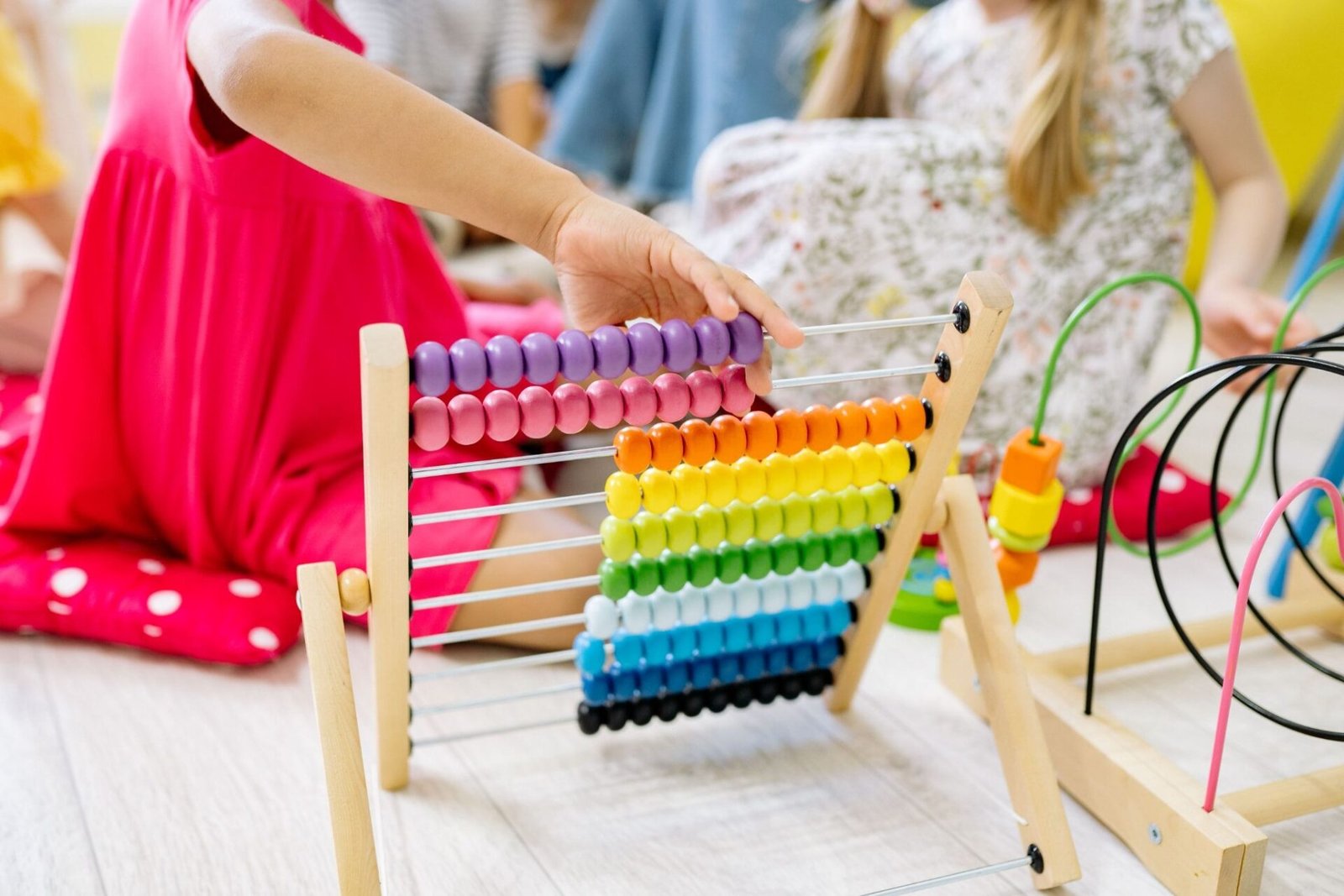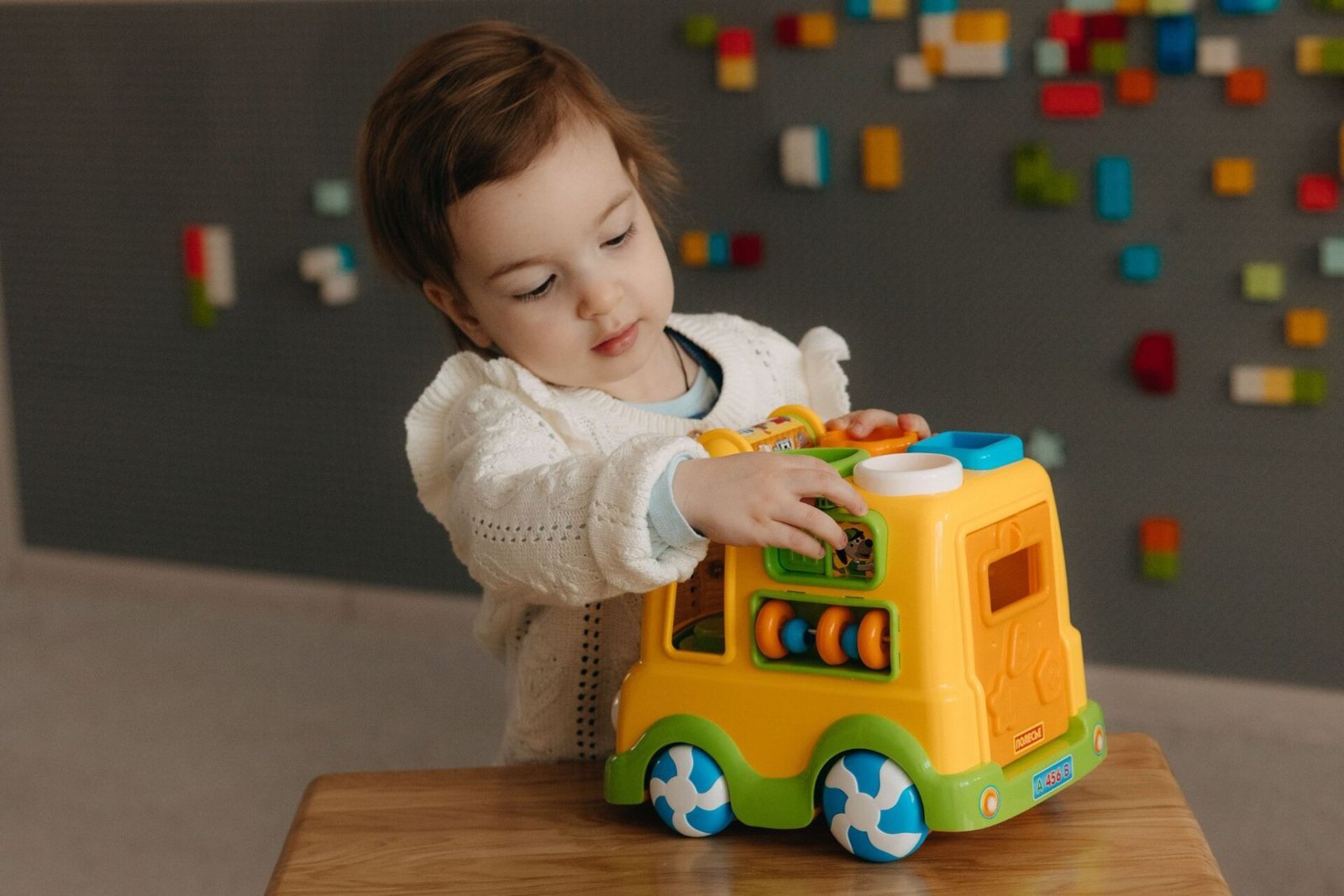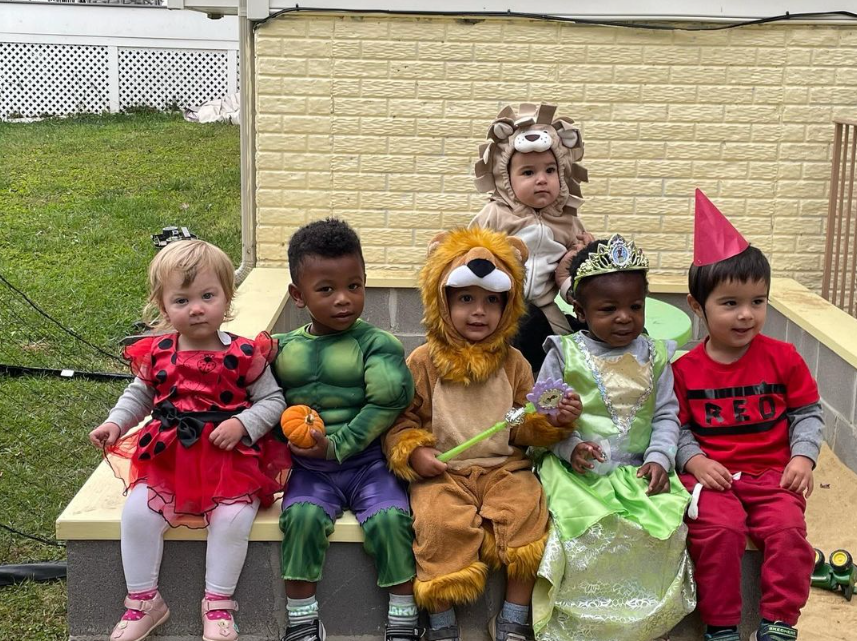
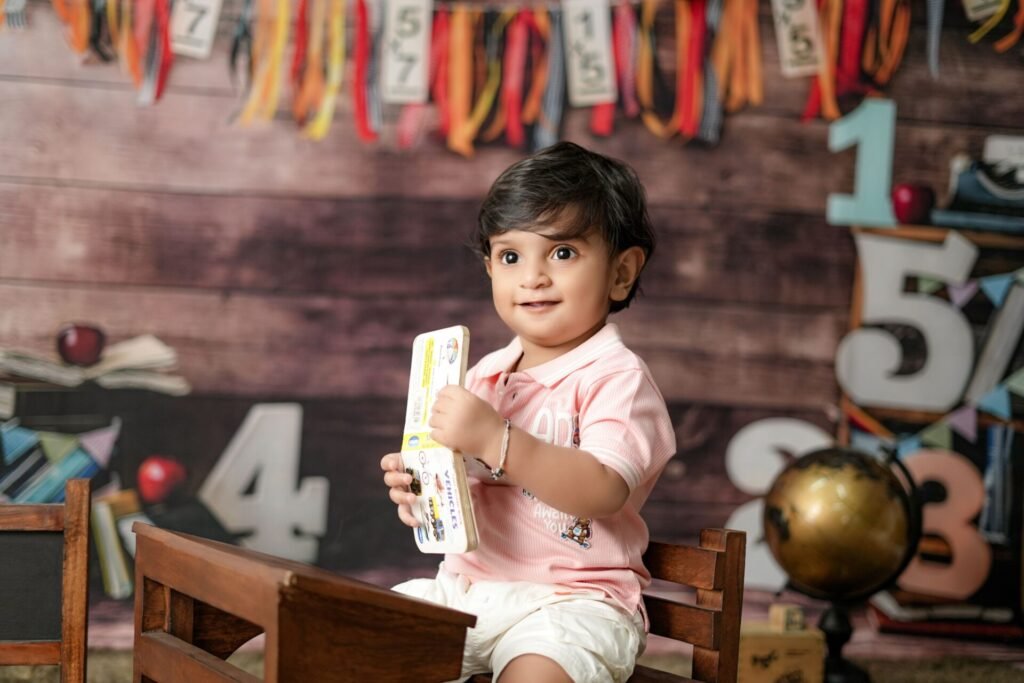
Developmental activities for toddlers help children build important skills while encouraging curiosity, independence, and confidence. During the toddler years, children experience significant growth in language, movement, social skills, and problem-solving abilities. Activities that involve creativity, exploration, and interaction help toddlers learn in ways that feel natural and enjoyable. A quality early childhood program provides toddlers with opportunities to practice new skills through play, hands-on experiences, and daily routines. From building fine motor skills to developing communication abilities, developmental activities support the overall growth children need during these important early years.
Language and Communication Activities
Toddlers are developing language skills rapidly, making this an important time to encourage communication. Activities that involve talking, listening, and storytelling help children expand their vocabulary and express their thoughts.
Reading books aloud, singing songs, and having conversations throughout the day introduce toddlers to new words and ideas. Asking children questions and encouraging them to describe what they see helps strengthen communication skills.
Pretend play is another valuable language activity. When toddlers pretend to cook, care for a toy, or act out everyday situations, they practice using language while developing imagination and social awareness.
Activities That Encourage Social Development
Toddlers are beginning to understand how to interact with others. Group activities help children learn important skills such as sharing, cooperation, and patience.
Playing simple games, participating in group songs, and completing classroom activities together give toddlers opportunities to practice social skills. Teachers help children learn how to communicate their needs and handle emotions in positive ways.
These experiences help toddlers become more comfortable around others and prepare them for future classroom environments.
Movement and Physical Activities
Physical activities support toddlers’ coordination, balance, and strength. Young children learn through movement, so opportunities to run, jump, climb, and explore are important parts of development.
Outdoor play, dancing, obstacle courses, and movement games help toddlers develop gross motor skills. These activities also encourage healthy habits and allow children to release energy in positive ways.
Indoor movement activities can also support physical development through music, stretching, and interactive games.
Creative and Sensory Activities
Creative and sensory activities allow toddlers to explore the world around them using their senses. These experiences encourage curiosity and problem-solving.
Sensory activities may include exploring different textures, playing with water or sand, or experimenting with safe materials. Art activities such as painting and crafts allow children to express themselves while developing coordination.
These activities support cognitive growth by encouraging children to observe, compare, and discover new things.
Building Independence Through Daily Activities
Everyday routines can also become important developmental activities for toddlers. Simple tasks such as cleaning up toys, washing hands, and making choices help children develop confidence.
When toddlers are encouraged to try things independently, they learn responsibility and build self-esteem. Supportive caregivers provide guidance while allowing children to practice new skills at their own pace.
Conclusion
Developmental activities for toddlers support growth in every area, including language, physical skills, creativity, and social development. Through play, exploration, and daily experiences, toddlers build the foundation they need for future learning. A supportive early childhood environment gives children the opportunity to discover new abilities while gaining confidence and independence.