Arts and crafts are much more than fun ways to pass the time. For toddlers, creative activities support important developmental milestones while encouraging curiosity, imagination, and self-expression. Whether children are painting with brushes, creating collages, or molding playdough, every creative experience helps them build skills they will use for years to come.
At Busy Minds Daycare, we believe that creativity plays an important role in early childhood education. Through age-appropriate arts and crafts, children strengthen fine motor skills, practice problem-solving, and gain confidence as they explore the world around them. Best of all, these activities allow toddlers to learn while having fun.
Here are some creative arts and crafts activities that help toddlers grow both academically and developmentally.
Why Arts and Crafts Matter
Creative activities support nearly every area of a child’s development. While toddlers may simply see painting or coloring as fun, they are also developing essential skills through every project.
Arts and crafts help children:
- Improve fine motor skills
- Strengthen hand-eye coordination
- Encourage creativity and imagination
- Develop problem-solving abilities
- Build confidence through self-expression
- Practice following directions
- Learn colors, shapes, and patterns
These experiences also encourage children to make choices, experiment with new ideas, and celebrate their own unique creations.
Our blog The Importance of Early Childhood Education Every Laurel, MD, Parent Should Know explains how hands-on learning experiences lay the foundation for lifelong success.
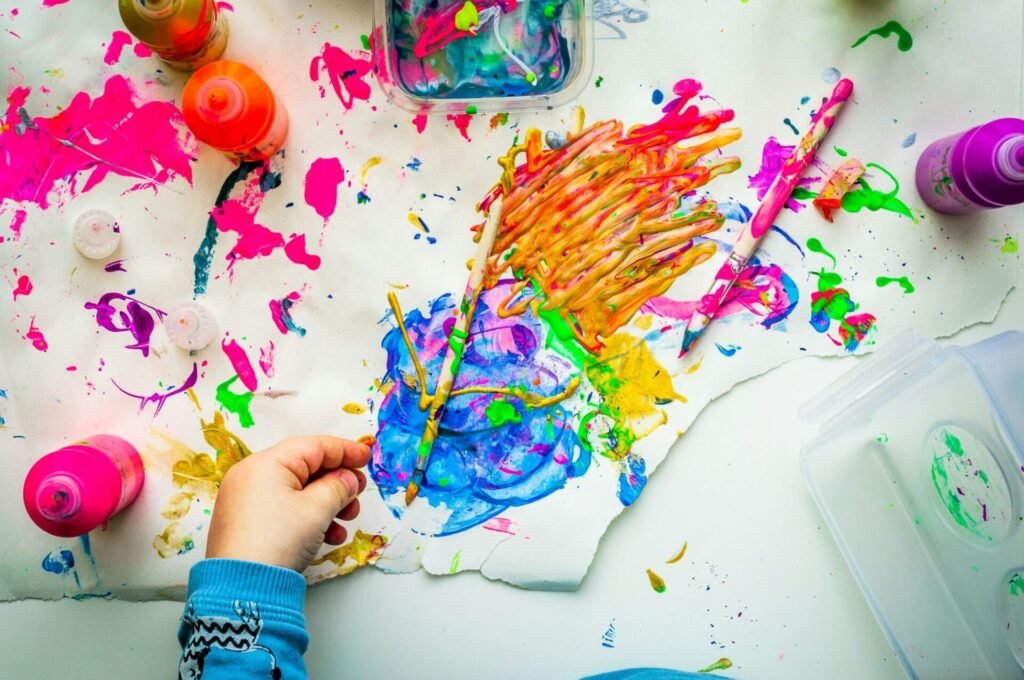
Finger Painting
Finger painting is one of the most popular creative activities for toddlers because it allows children to explore colors and textures using their hands.
As toddlers swirl paint across paper, they practice:
- Sensory exploration
- Fine motor development
- Color recognition
- Creative thinking
Parents should use washable, non-toxic paint and allow children to experiment freely rather than focusing on creating a perfect picture.
The goal is exploration, not perfection.
Paper Collages
Collages give toddlers the opportunity to create something unique while strengthening their hand muscles.
Provide materials such as:
- Construction paper
- Tissue paper
- Foam shapes
- Stickers
- Cotton balls
- Fabric scraps
- Large craft sticks
Children can glue different textures and shapes onto paper to create colorful artwork while practicing grasping, placing, and arranging objects.
Playdough Creations
Playdough is one of the best tools for developing fine motor strength.
Toddlers can:
- Roll
- Squeeze
- Flatten
- Pinch
- Shape
- Cut with child-safe tools
These movements strengthen the small muscles in their hands that will later help with writing, drawing, and using scissors.
Playdough also encourages creativity because children can build animals, food, letters, or anything else they imagine.
Nature Art
Nature provides endless opportunities for creative projects.
During a walk outside, collect items like:
- Leaves
- Small sticks
- Pinecones
- Flowers
- Grass
- Smooth rocks
Back indoors, children can glue their nature finds onto paper to create seasonal artwork.
Nature crafts also encourage observation skills while helping children appreciate the world around them.
Sponge Painting
Painting with sponges creates exciting textures while introducing toddlers to different ways of making art.
Cut clean sponges into simple shapes such as:
- Stars
- Hearts
- Circles
- Squares
- Flowers
Children can dip the sponge into paint and stamp colorful patterns across paper.
This activity strengthens hand control while introducing shape recognition.
Handprint and Footprint Art
Handprint and footprint crafts create meaningful keepsakes while allowing toddlers to participate in age-appropriate art.
Some fun ideas include:
- Handprint trees
- Footprint butterflies
- Handprint flowers
- Seasonal holiday crafts
- Animal creations
These projects are simple enough for young children while creating lasting memories for families.
Sticker Art
Peeling and placing stickers may seem simple, but it is excellent practice for developing fine motor skills.
Toddlers can decorate:
- Paper
- Cardboard
- Coloring pages
- Homemade cards
Sticker activities improve finger strength and coordination while allowing children to make independent choices about their artwork.
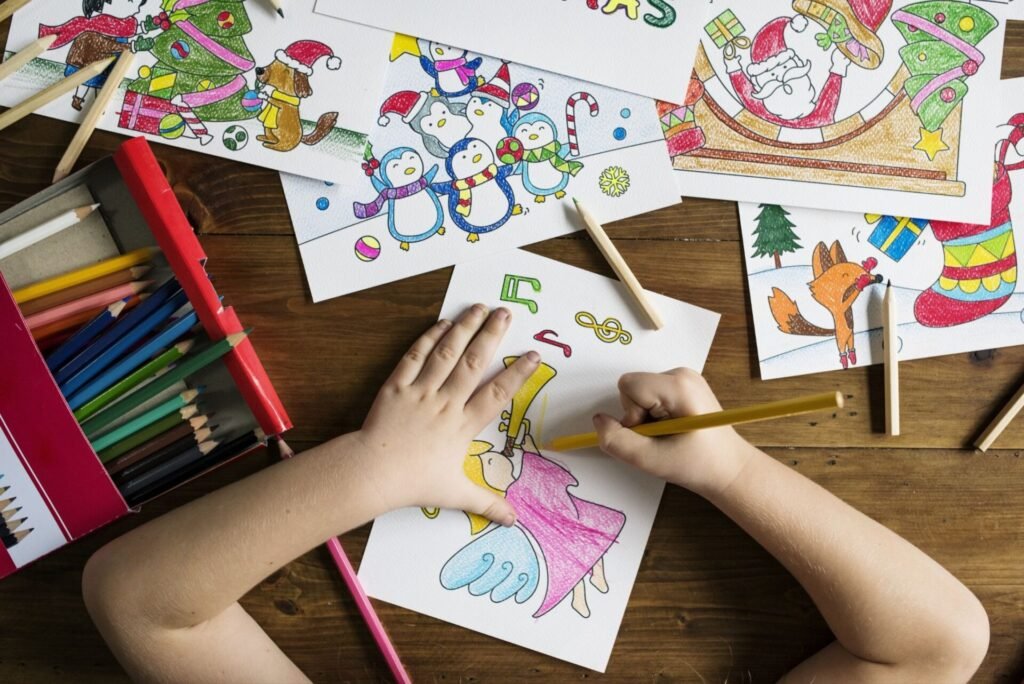
Coloring and Crayons
Coloring remains one of the easiest ways to introduce art to toddlers.
Large crayons help children develop proper grip while practicing controlled hand movements.
Rather than encouraging children to stay inside the lines, allow them to freely explore colors and movement.
The focus should always be creativity and confidence rather than perfection.
Recycled Craft Projects
Many everyday household items can become fun craft supplies.
Try using:
- Empty paper towel rolls
- Egg cartons
- Cereal boxes
- Plastic bottle caps
- Cardboard tubes
- Tissue boxes
Children enjoy transforming ordinary objects into imaginative creations while learning about reusing materials.
These projects also encourage problem-solving and creativity.
Simple Seasonal Crafts
Seasonal projects help toddlers connect learning with the changing world around them.
Examples include:
Spring
- Paper flowers
- Butterfly crafts
- Rainbow paintings
Summer
- Sunshine collages
- Ocean-themed artwork
- Ice cream cone crafts
Fall
- Leaf rubbings
- Pumpkin art
- Apple stamping
Winter
- Snowflake paintings
- Cotton ball snowmen
- Holiday decorations
Seasonal crafts naturally introduce discussions about weather, holidays, plants, and animals.
Process Over Perfection
One of the biggest mistakes adults make is focusing too much on the finished product.
For toddlers, the learning happens during the process.
Allow children to:
- Mix colors
- Experiment with materials
- Try new techniques
- Make mistakes
- Create independently
Every child develops differently, and every piece of artwork will look different. Encouraging creativity builds confidence far more effectively than trying to make every project look the same.
This child-led approach is one reason play-based learning is so effective. Our blog Why Is Play-Based Learning Important? explains how open-ended activities help children develop naturally through exploration.
How Arts and Crafts Support School Readiness
Creative activities prepare toddlers for preschool and kindergarten in ways many parents may not realize.
Through regular arts and crafts experiences, children learn to:
- Follow simple directions
- Complete tasks independently
- Recognize colors and shapes
- Strengthen pencil grip
- Improve concentration
- Express ideas through creativity
- Practice patience
These skills contribute to future success in both academic and social settings.
Many of these same developmental benefits are discussed in our article Indoor Learning Activities That Help Children Grow, which highlights additional ways children learn through hands-on experiences.
Bringing Creativity Into Everyday Learning
Creative projects do not require expensive supplies or elaborate planning. Even simple activities using paper, crayons, paint, or recycled materials provide meaningful learning opportunities.
At Busy Minds Daycare, arts and crafts are incorporated into daily learning experiences because they encourage exploration, build confidence, and support healthy development. Every painting, collage, or playdough creation helps children strengthen important skills while expressing themselves in new and exciting ways.
By giving toddlers regular opportunities to create, parents and caregivers help nurture curiosity, independence, and a lifelong love of learning.