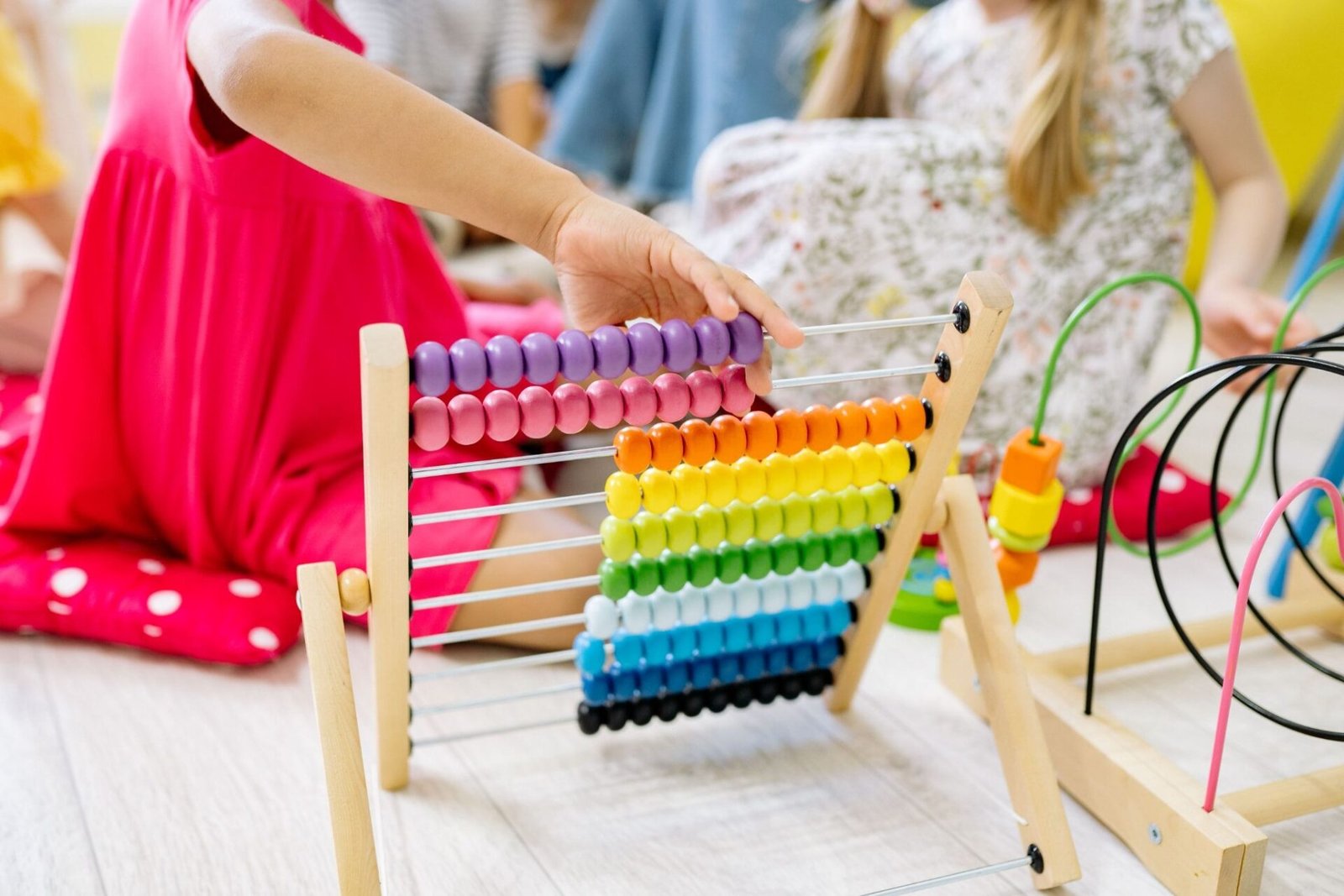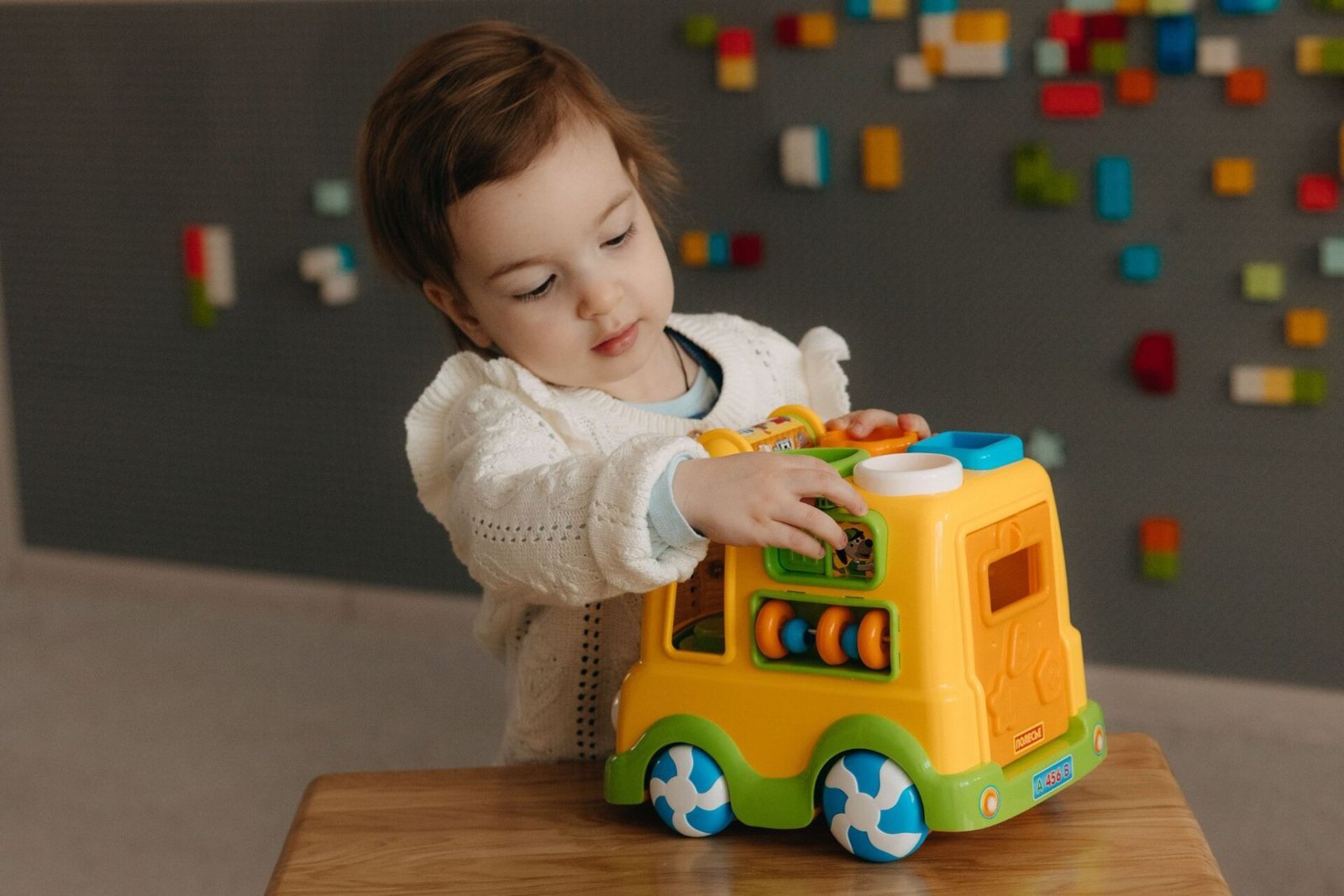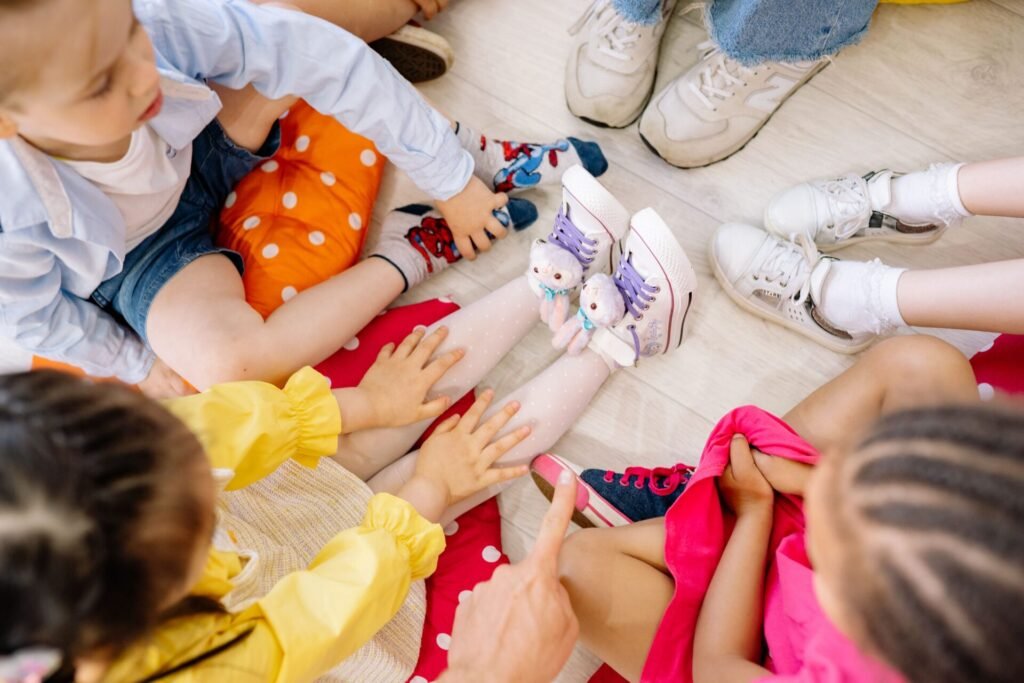
Play-based learning is an important approach in early childhood education because it allows children to learn through exploration, creativity, and hands-on experiences. Instead of simply memorizing information, children develop important skills by actively participating in activities that are meaningful and enjoyable. Through play, children strengthen their problem-solving abilities, communication skills, independence, and social development. A quality early learning environment uses play-based activities to support children’s growth while encouraging curiosity and confidence. By allowing children to learn naturally through discovery and interaction, play-based learning creates a strong foundation for future academic and personal success.
Encourages Creativity and Imagination
One of the biggest benefits of play-based learning is that it encourages children to use their imagination. When children participate in pretend play, art activities, building projects, or storytelling, they learn to create ideas and explore different possibilities.
For example, a child pretending to run a restaurant is practicing communication, organization, and social skills. A child building with blocks is learning about balance, problem-solving, and planning. These activities may seem simple, but they help children develop important thinking skills.
Creative play also allows children to express themselves. They can make choices, experiment with new ideas, and gain confidence in their abilities.
Supports Social and Emotional Development
Play-based learning gives children opportunities to interact with others and develop social skills. Group activities teach children how to share, cooperate, communicate, and solve problems with their classmates.
During play, children learn how to handle different emotions and respond to different situations. They practice patience, taking turns, and understanding other people’s perspectives.
Teachers help guide these interactions by encouraging positive communication and helping children work through challenges. These experiences support emotional growth and help children build strong relationships.
Builds Problem-Solving Skills
Children naturally encounter challenges while playing. Whether they are figuring out how to complete a puzzle, build a structure, or create a game, they are practicing problem-solving skills.
Play-based learning encourages children to think independently and find solutions. Instead of immediately receiving an answer, children have the opportunity to explore, make mistakes, and try new approaches.
These experiences help develop critical thinking skills that benefit children throughout their education and everyday lives.
Improves Language and Communication Skills
Play provides many opportunities for children to practice language. Conversations during group activities, pretend play, and storytelling help children expand their vocabulary and improve communication.
Teachers can support language development by asking questions, introducing new words, and encouraging children to explain their ideas.
Children also learn communication skills by listening to others and expressing their own thoughts. These skills are important for building confidence and preparing children for future classroom experiences.
Promotes Physical Development
Many play-based activities support both fine and gross motor development. Activities such as drawing, building, and crafts strengthen small hand movements, while outdoor play, dancing, and movement games support coordination and physical strength.
Developing these skills helps children complete everyday tasks and prepares them for future activities such as writing and participating in sports.
Conclusion
Play-based learning helps children grow academically, socially, emotionally, and physically. Through exploration, creativity, and interaction, children develop essential skills while enjoying the learning process. By providing opportunities for meaningful play, early childhood programs help children build confidence and prepare for future success.