Choosing child care is one of the biggest decisions parents make during their child’s early years. While a warm and welcoming environment is important, safety should always come first. A quality child care center creates an environment where children can learn, play, and grow while parents feel confident their little ones are protected throughout the day.
Whether you are enrolling your child in daycare for the first time or looking for a new provider, knowing what safety practices to look for can help you make the best decision. Here are some of the most important childcare safety tips every parent should know.
Choose a Licensed Child Care Center
One of the first things parents should verify is whether the daycare is properly licensed by the state. Licensed child care centers must meet specific health, safety, staffing, and educational requirements that help ensure children receive quality care.
Licensing standards often include:
- Staff background checks
- Safe teacher-to-child ratios
- Emergency preparedness plans
- Health and sanitation requirements
- Regular inspections
A licensed center demonstrates a commitment to maintaining high standards and following state regulations.
If you are currently comparing providers, our guide on How to Choose the Right Daycare in Laurel, MD: A Parent’s Guide explains additional factors parents should consider before making a final decision.
Ask About Staff Training
Children thrive when they are cared for by experienced, knowledgeable professionals. Ask potential daycare providers about the training their teachers receive and how often they participate in continuing education.
Staff members should be trained in areas such as:
- CPR and First Aid
- Emergency response procedures
- Child development
- Positive behavior management
- Safe sleep practices for infants
- Identifying signs of illness
Well-trained teachers are better prepared to respond calmly and effectively in unexpected situations.
Observe Classroom Supervision
Proper supervision is one of the most important aspects of childcare safety. Children are naturally curious and active, which means attentive supervision helps prevent accidents before they happen.
During a tour, observe whether teachers:
- Interact with children throughout the day
- Stay engaged during playtime
- Monitor both indoor and outdoor activities
- Maintain appropriate teacher-to-child ratios
Children should always be within sight and hearing of a caregiver.
Check Cleanliness Throughout the Facility
A clean daycare helps reduce the spread of germs and creates a healthier environment for everyone.
Pay attention to:
- Sanitized toys
- Clean classrooms
- Organized learning spaces
- Regular handwashing routines
- Clean diaper changing areas
- Well-maintained bathrooms
Ask how frequently toys and surfaces are disinfected, especially during cold and flu season.
You may also find our article on Essential Tips for Keeping Your Child Healthy During Flu Season helpful for keeping your child healthy both at daycare and at home.
Review Security Procedures
Every child care center should have procedures in place to protect children from unauthorized visitors.
Important security features include:
- Locked entrances
- Visitor check-in procedures
- Authorized pickup lists
- Security cameras where appropriate
- Staff identification
Parents should know exactly who is allowed to pick up their child and how the center verifies identities before releasing children.
Make Sure Outdoor Play Areas Are Safe
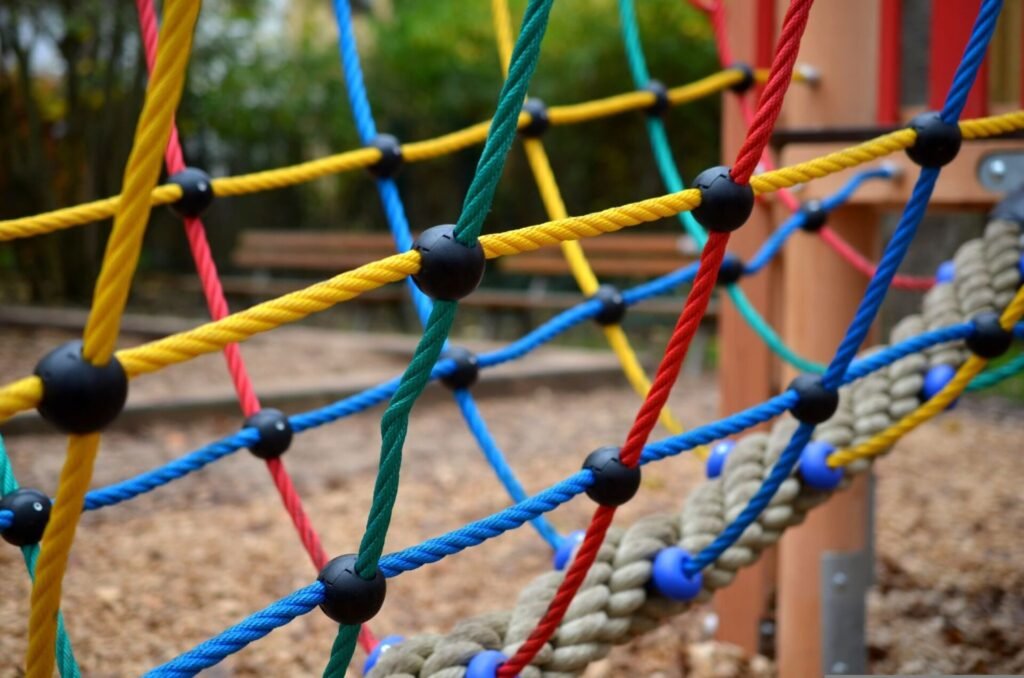
Outdoor play is essential for healthy development, but playgrounds should also be designed with safety in mind.
Look for:
- Secure fencing
- Age-appropriate equipment
- Soft landing surfaces
- Shaded play areas
- Well-maintained equipment
- Active teacher supervision
Safe outdoor environments allow children to stay active while minimizing the risk of injuries.
Our blog on Top 10 Activities for Toddlers in Laurel, MD shares examples of engaging activities that support healthy development while encouraging active play.
Ask About Emergency Preparedness
While emergencies are rare, every daycare should have a detailed emergency plan.
Ask questions such as:
- How are parents notified during emergencies?
- Are fire drills practiced regularly?
- What happens during severe weather?
- How are medical emergencies handled?
- Where are emergency supplies kept?
Knowing there is a clear emergency plan can provide valuable peace of mind.
Look for Safe Learning Materials
Children learn through exploration, so classrooms should contain materials that are both educational and safe.
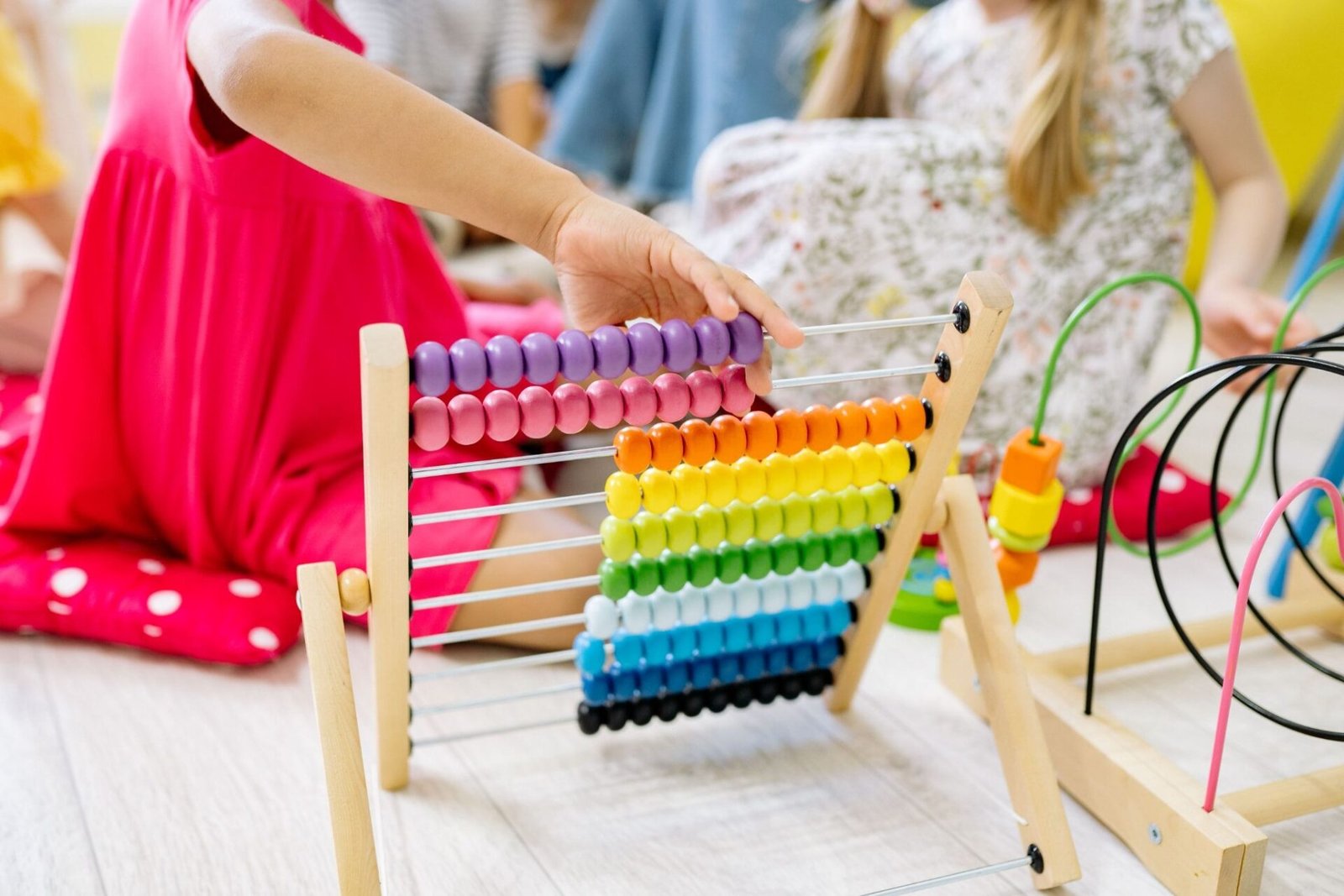
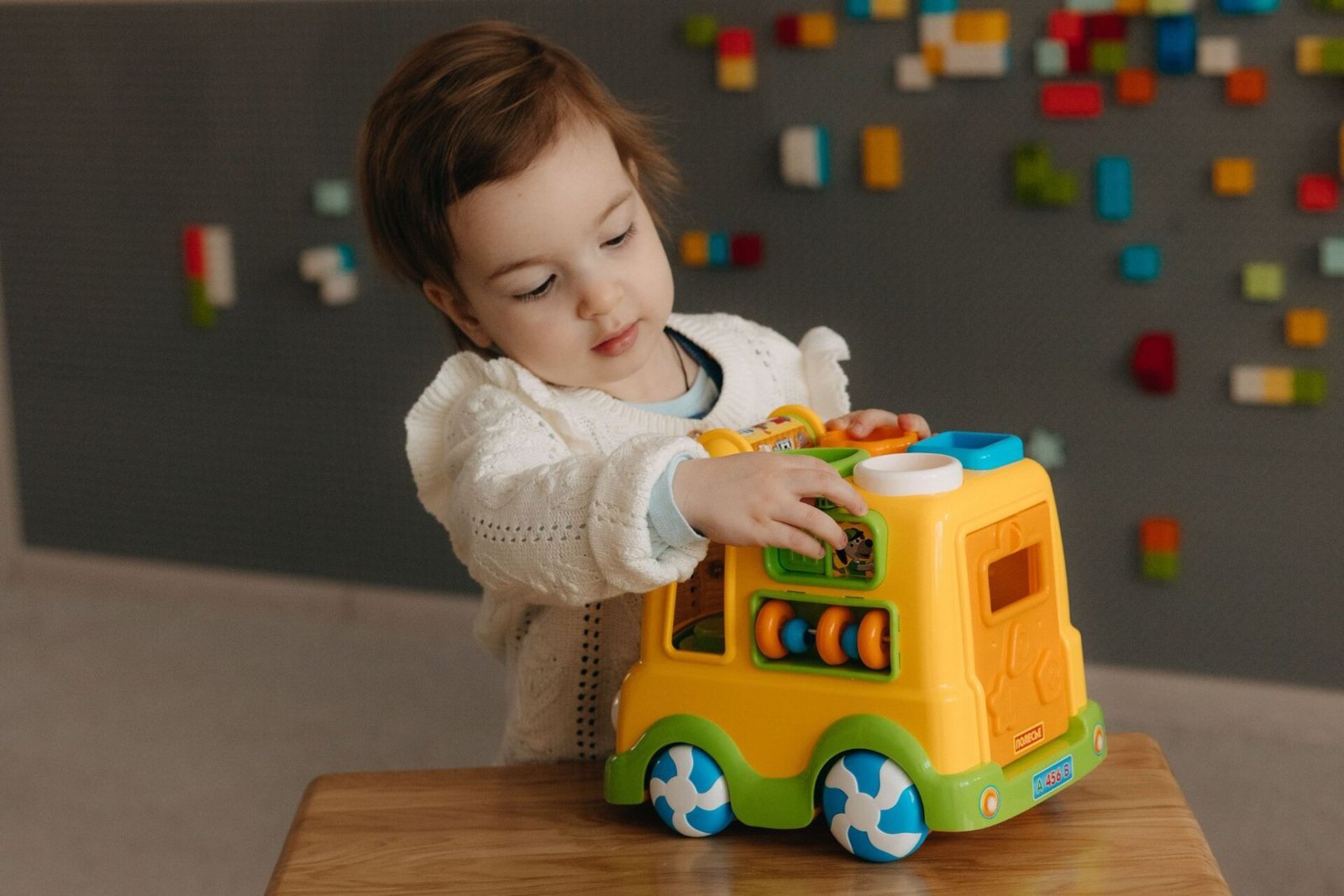
Age-appropriate toys should:
- Be free from choking hazards
- Be made from non-toxic materials
- Be in good condition
- Be cleaned regularly
Teachers should also regularly inspect classroom materials and remove anything damaged.
Pay Attention to Daily Communication
Safety includes keeping parents informed.
Many quality daycare centers provide daily updates about:
- Meals and snacks
- Nap times
- Diaper changes
- Learning activities
- Mood and behavior
- Any minor incidents
Open communication helps parents stay connected with their child’s day while building trust with caregivers.
Observe How Teachers Interact With Children
A safe environment is not only physically secure but emotionally supportive as well.
Positive caregivers:
- Speak respectfully to children
- Encourage independence
- Comfort children when upset
- Redirect inappropriate behavior calmly
- Celebrate achievements
- Foster positive relationships
Strong teacher-child relationships help children feel secure, confident, and ready to learn.
This supportive environment also encourages the development of important social skills. You can learn more in our article The Importance of Social Skills for Children.
Encourage Safe Habits at Home
Parents play an important role in reinforcing safety outside the classroom.
Simple habits include:
- Teaching children to wash their hands properly
- Practicing safe behaviors around strangers
- Wearing helmets while riding bikes
- Buckling seat belts correctly
- Following healthy hygiene routines
When children receive consistent messages about safety at both home and daycare, those habits become part of their everyday routine.
Partner With Your Child’s Daycare
The safest childcare experience comes from strong communication between parents and caregivers.
Keep your child’s teachers informed about:
- Allergies
- Medical conditions
- Emergency contacts
- Changes at home
- Behavioral concerns
- Developmental milestones
Likewise, don’t hesitate to ask questions or discuss concerns with the daycare staff. A collaborative relationship helps everyone work toward the same goal: your child’s health, happiness, and success.
Final Thoughts
Finding a safe child care center involves much more than touring the building. Parents should evaluate staff training, supervision, cleanliness, security, emergency planning, and communication practices before enrolling their child. A quality daycare combines strong safety standards with a nurturing learning environment where children can explore, build confidence, and develop important life skills.
At Busy Minds Daycare, we are committed to providing a safe, supportive, and engaging environment where children can learn, play, and thrive every day. By prioritizing safety alongside early childhood education, we help families feel confident that their children are receiving the care and attention they deserve.