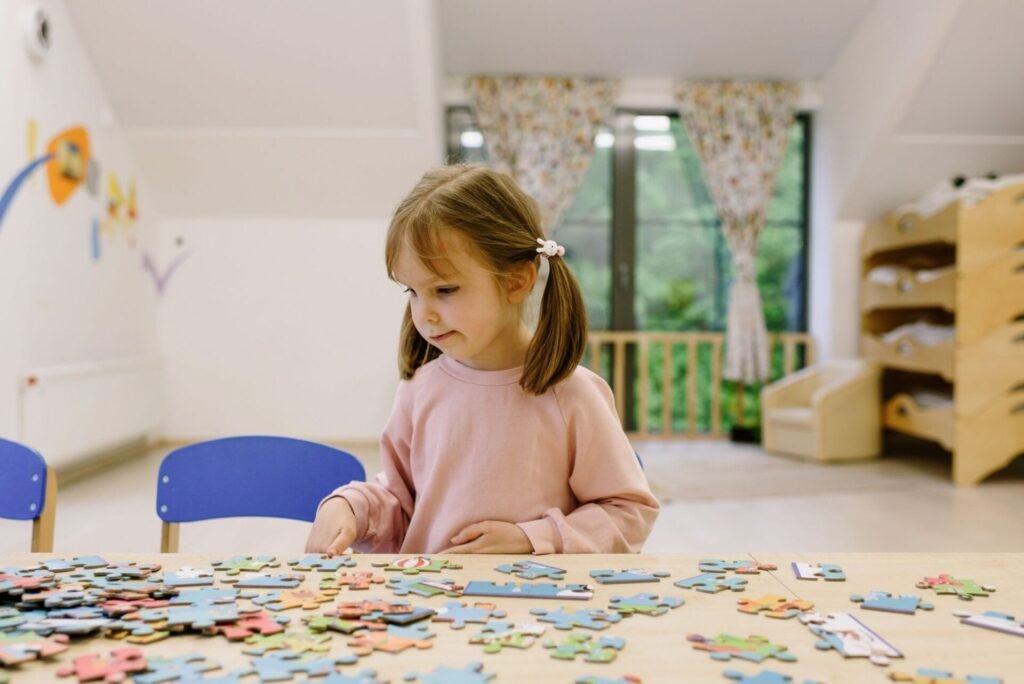
The early years of a child’s life are filled with incredible opportunities for learning. Every song, story, game, and conversation helps children develop new skills and discover the world around them. While basic care provides children with the support they need each day, enrichment activities go a step further by encouraging curiosity, creativity, confidence, and a lifelong love of learning.
Childhood enrichment includes experiences that promote physical, cognitive, emotional, social, and language development through engaging, age-appropriate activities. At Busy Minds Daycare, enrichment is woven into each day through hands-on learning, play, and meaningful interactions that help children grow in every area of development.
Here are some of the most valuable childhood enrichment activities and the benefits they provide.
What Is Childhood Enrichment?
Childhood enrichment refers to activities that encourage children to explore, create, solve problems, and develop new skills beyond everyday routines.
Enrichment activities are designed to support the whole child by promoting:
- Cognitive development
- Language skills
- Social growth
- Emotional development
- Physical coordination
- Creativity
- Independence
Rather than focusing only on academic learning, enrichment helps children become confident, curious, and engaged learners.
Our article The Importance of Early Childhood Education Every Laurel, MD, Parent Should Know explains why these early learning experiences have a lasting impact on children’s future success.
Creative Arts and Crafts
Arts and crafts encourage children to express themselves while strengthening important developmental skills.
Activities such as painting, drawing, coloring, and building projects help children improve:
- Fine motor skills
- Hand-eye coordination
- Creativity
- Decision-making
- Problem-solving
Creative projects also give children opportunities to experiment with colors, textures, and materials while building confidence in their own ideas.
For more creative project ideas, explore our blog Creative Arts and Crafts Activities for Toddlers.
Story Time and Reading
Reading is one of the most effective enrichment activities for young children.
Daily story time helps children:
- Expand vocabulary
- Improve listening skills
- Develop imagination
- Learn sentence structure
- Build early literacy skills
Interactive reading, where teachers ask questions and encourage discussion, makes books even more engaging while strengthening language development.
Music and Movement
Music combines learning with physical activity, making it one of the most enjoyable enrichment experiences for children.
Singing songs, dancing, and playing simple instruments help children develop:
- Rhythm
- Memory
- Listening skills
- Coordination
- Language development
- Self-expression
Music also encourages children to participate in group activities while building confidence.
Sensory Play
Young children learn by exploring with their senses.
Sensory activities may include:
- Water tables
- Sand play
- Playdough
- Rice bins
- Textured materials
- Nature exploration
These experiences encourage curiosity while supporting cognitive development and fine motor skills.
Sensory play also introduces children to concepts like texture, measurement, and cause and effect in ways they can easily understand.
Outdoor Exploration
Outdoor play provides opportunities for children to stay active while learning about the natural world.
Activities might include:
- Nature walks
- Playground exploration
- Gardening
- Obstacle courses
- Ball games
- Bubble play
Outdoor experiences strengthen gross motor skills while encouraging curiosity about plants, animals, weather, and seasons.
Our article Top 10 Activities for Toddlers in Laurel, MD shares additional ideas that promote active learning and healthy development.
Play-Based Learning
Play is one of the most important forms of childhood enrichment.
Through imaginative play, children naturally develop:
- Communication skills
- Creativity
- Cooperation
- Problem-solving
- Critical thinking
- Emotional regulation
Whether children are pretending to run a grocery store or building a city with blocks, they are practicing real-life skills through enjoyable experiences.
Our blog Why Is Play-Based Learning Important? explores why play is such a powerful teaching tool during early childhood.
Building Social Skills
Enrichment activities often involve working with other children, helping them develop important social abilities.
Children learn how to:
- Share
- Take turns
- Listen
- Solve disagreements
- Cooperate
- Show empathy
These experiences help children build healthy relationships while developing confidence in group settings.
Our article The Importance of Social Skills for Children explains how these early interactions support lifelong emotional development.
Language Development Activities
Children build communication skills through conversations, storytelling, songs, and interactive games.
Teachers encourage language development by:
- Asking open-ended questions
- Introducing new vocabulary
- Reading books aloud
- Singing together
- Encouraging group discussions
These daily experiences help children become confident communicators while strengthening listening and comprehension skills.
Science and Discovery
Even young children enjoy exploring simple science concepts.
Hands-on discovery activities might include:
- Mixing colors
- Watching plants grow
- Exploring magnets
- Floating and sinking experiments
- Weather observations
Science enrichment encourages curiosity while helping children ask questions, make predictions, and discover how the world works.
Building Independence
Enrichment activities also help children become more independent.
Simple daily opportunities include:
- Cleaning up after activities
- Choosing learning centers
- Washing hands independently
- Putting away supplies
- Completing simple tasks
These experiences build confidence while encouraging responsibility and self-help skills.
Fine and Gross Motor Development
Children strengthen physical skills through a wide variety of enrichment activities.
Fine motor development includes:
- Cutting with safety scissors
- Drawing
- Stringing beads
- Building puzzles
- Using blocks
Gross motor activities include:
- Running
- Climbing
- Jumping
- Dancing
- Throwing and catching balls
Both types of movement are essential for healthy physical development and school readiness.
Encouraging Curiosity Every Day
One of the greatest benefits of childhood enrichment is that it teaches children to ask questions and explore new ideas.
Rather than simply giving children answers, teachers encourage them to:
- Observe
- Experiment
- Solve problems
- Think creatively
- Try new experiences
Curiosity becomes the foundation for lifelong learning and academic success.
The Long-Term Benefits of Childhood Enrichment
Children who regularly participate in enrichment activities often develop stronger skills in many areas, including:
- Communication
- Creativity
- Critical thinking
- Social interaction
- Emotional regulation
- Confidence
- School readiness
These experiences prepare children not only for preschool and kindergarten but also for future learning throughout their lives.
As discussed in Indoor Learning Activities That Help Children Grow, everyday learning opportunities help children reach important developmental milestones while keeping learning enjoyable.
Final Thoughts
Childhood enrichment is about much more than keeping children busy. It provides meaningful experiences that help children develop academically, socially, emotionally, physically, and creatively. Through hands-on activities, exploration, and play, children build the confidence and skills they need to succeed both in school and in life.
At Busy Minds Daycare, enrichment is an important part of every day. From creative art projects and story time to outdoor exploration and play-based learning, we provide opportunities for children to discover new interests, strengthen important skills, and develop a lifelong love of learning in a safe, supportive environment.