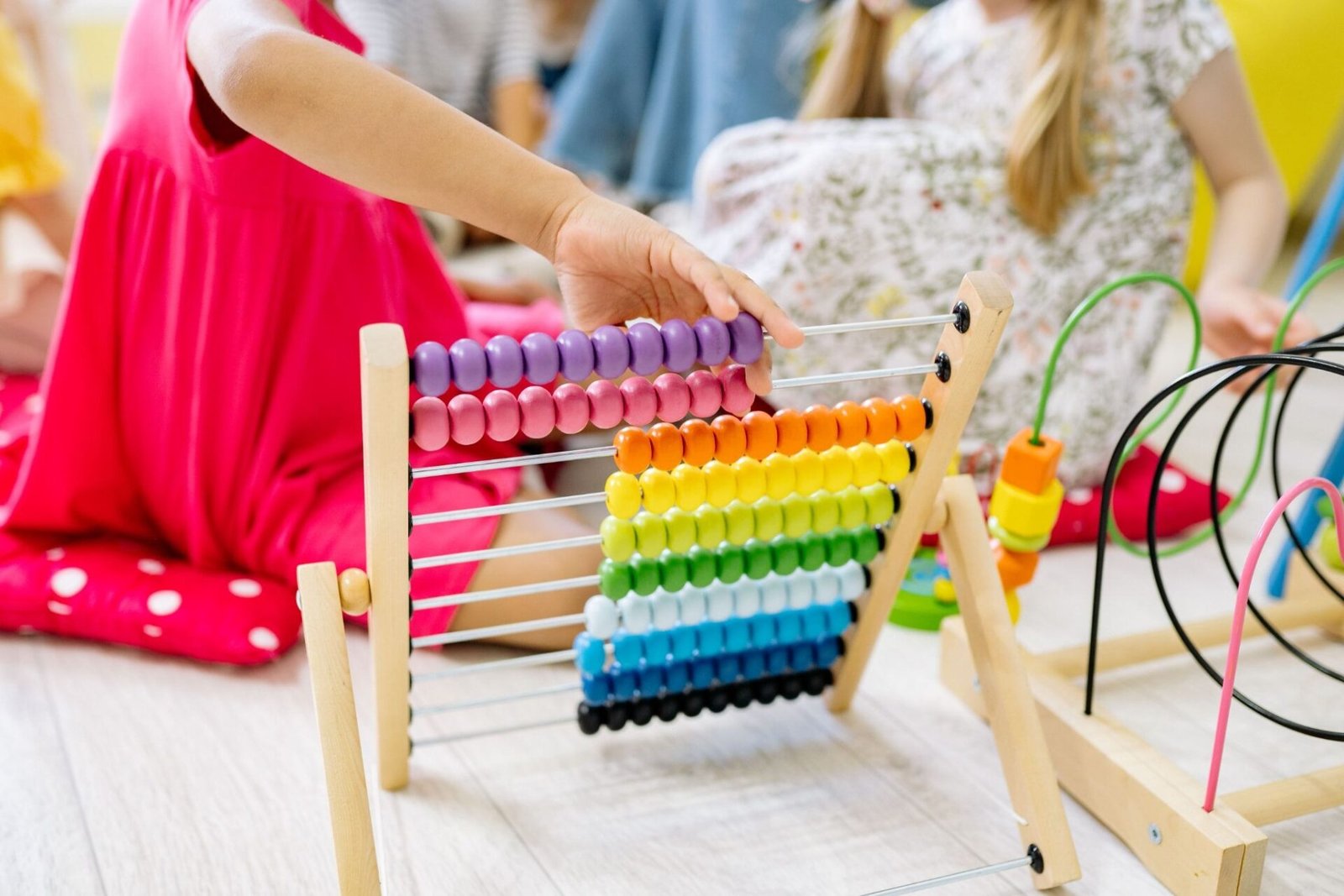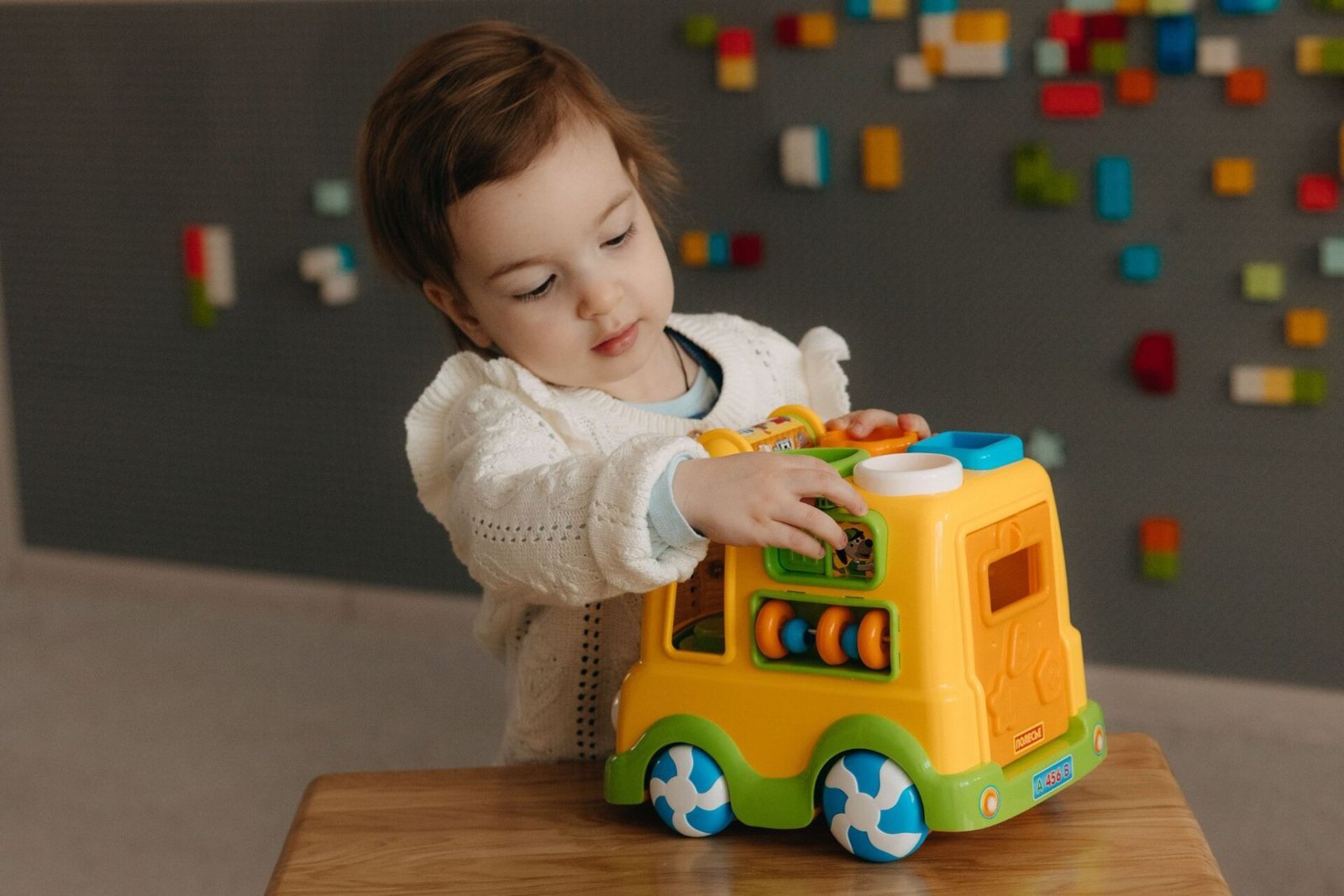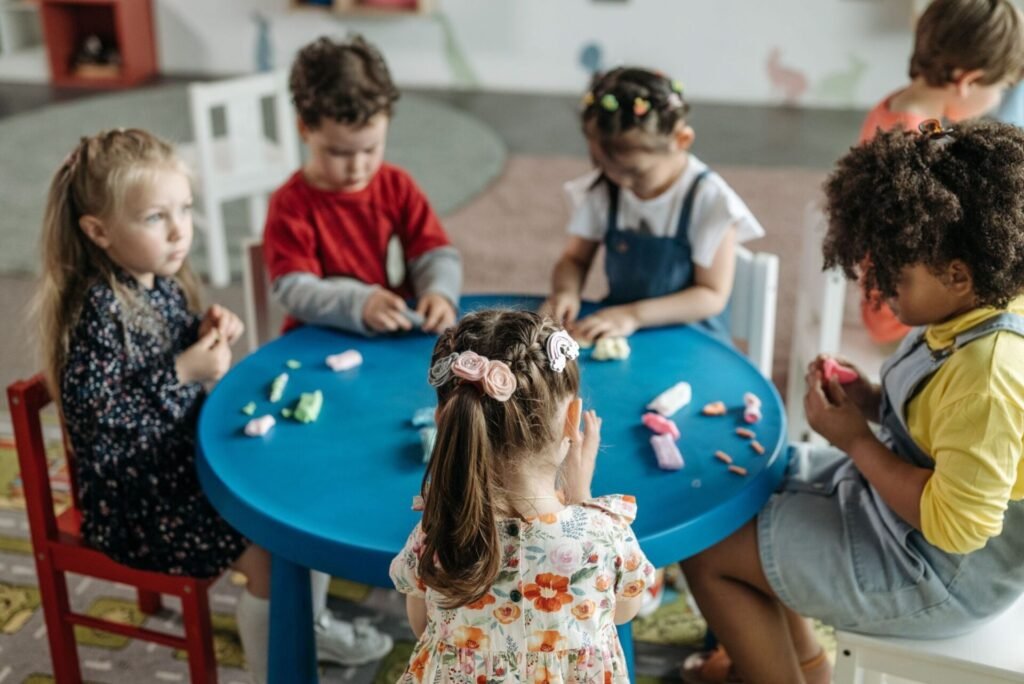
When many people think of learning, they picture children sitting quietly at desks. However, young children learn best through play. From building block towers to pretending to run a grocery store, play helps children develop the skills they need for school and everyday life.
Play-based learning is more than just having fun. It encourages children to explore, solve problems, communicate with others, and build confidence in a way that feels natural. At quality daycare centers, play is intentionally planned to support every area of a child’s development.
What Is Play-Based Learning?
Play-based learning is an educational approach that uses guided and independent play to help children learn new concepts and skills. Teachers create activities that encourage exploration while supporting developmental milestones.
Through play, children practice:
- Language and communication
- Problem-solving
- Creativity
- Fine motor skills
- Gross motor skills
- Social interaction
- Emotional regulation
Instead of memorizing information, children discover new ideas by asking questions, experimenting, and interacting with their environment.
To learn more about the value of these early experiences, read our blog on The Importance of Early Childhood Education Every Laurel, MD, Parent Should Know.
Builds Strong Social Skills
One of the biggest benefits of play-based learning is helping children learn how to interact with others.
Whether they’re building a tower together or pretending to cook in a play kitchen, children practice:
- Sharing
- Taking turns
- Listening
- Working as a team
- Solving disagreements
- Showing kindness
These daily experiences help children develop confidence and prepare them for future classroom settings.
Our article The Importance of Social Skills for Children explores how these early relationships shape future success.
Encourages Problem-Solving
Every play activity presents new challenges.
A child building with blocks may ask:
- How can I make my tower taller?
- Why did it fall over?
- What should I try next?
These moments encourage critical thinking and persistence.
Rather than giving children all the answers, teachers guide them with questions that inspire curiosity and independent thinking.
Supports Language Development
Children naturally build language skills during play.
They learn new vocabulary while:
- Reading books
- Singing songs
- Talking with teachers
- Playing pretend
- Asking questions
- Telling stories
Conversations during play help children improve communication skills while building confidence in expressing themselves.
Develops Fine and Gross Motor Skills
Play keeps children active while strengthening important physical abilities.
Fine motor activities include:
- Drawing
- Painting
- Cutting paper
- Building with blocks
- Completing puzzles
Gross motor activities include:
- Dancing
- Climbing
- Running
- Jumping
- Playing outside
Together, these activities improve coordination, balance, strength, and control.
Sparks Creativity and Imagination
Children have incredible imaginations.
One day a cardboard box becomes a spaceship. The next day it’s a castle.
Creative play helps children:
- Think independently
- Express ideas
- Explore emotions
- Build confidence
- Develop flexible thinking
These creative experiences also encourage innovation and problem-solving that will benefit children throughout their lives.
Makes Learning Fun
Children are naturally curious.
When learning feels enjoyable, they’re more likely to stay engaged and excited to participate.
Instead of feeling pressured, children develop a love of learning through activities that match their interests and developmental stage.
This positive attitude often continues into elementary school and beyond.
Promotes Independence
Play-based learning encourages children to make choices and solve simple problems on their own.
Children learn to:
- Choose activities
- Clean up after themselves
- Follow routines
- Complete simple tasks
- Make decisions
- Try new things
These everyday opportunities help build confidence and independence.
Our blog Fostering Independence in Young Children: A Guide for Parents shares practical ways to encourage these skills both at home and in daycare.
Supports Emotional Development
Play also helps children understand and express their emotions.
During imaginative play, children often act out situations they’ve experienced.
This helps them:
- Recognize feelings
- Practice empathy
- Learn patience
- Build resilience
- Develop self-control
Teachers can guide children through these experiences while helping them develop healthy emotional habits.
Indoor and Outdoor Learning Both Matter
Play-based learning doesn’t only happen outside.
Indoor activities like art projects, sensory bins, dramatic play, puzzles, and story time all contribute to healthy development.
Outdoor play adds opportunities for movement, exploration, and teamwork.
Our blog Indoor Learning Activities That Help Children Grow highlights many educational activities that children enjoy inside the classroom.
What Play-Based Learning Looks Like at Busy Minds Daycare
At Busy Minds Daycare, play is an essential part of every child’s day. Our teachers create engaging activities that encourage exploration, creativity, and hands-on learning while supporting each child’s individual development.
Children enjoy:
- Crafts
- Art projects
- Building activities
- Music and movement
- Pretend play
- Group learning activities
These experiences help children develop academically, socially, emotionally, and physically in a nurturing environment.
If you’re preparing your child for preschool, our guide How to Prepare Your Child for Preschool: Tips from Laurel’s Early Education Experts offers additional ways to make the transition a positive one.
Give Your Child the Opportunity to Learn Through Play
Play-based learning helps children develop the skills they need for success while making every day enjoyable and meaningful. Through exploration, creativity, and positive interactions, children build confidence, friendships, and a strong foundation for future learning.
If you’re looking for a daycare in Laurel, MD that values hands-on learning and child development, contact Busy Minds Daycare today. We’d love to show you how our play-based approach helps children learn, grow, and thrive every day.